
Why Women’s Preventive Care Should Be Planned, Not Postponed
A women’s health checklist is not just a list of tests to complete once a year. It is a practical way to organize preventive care around age, symptoms, family history, previous results, reproductive history, menopause status, medications, and personal risk factors. Many women feel well while important health changes are developing quietly, which is why planned screening and regular medical visits matter even without obvious symptoms.
Preventive care can help identify risks before they become urgent. Blood pressure may rise without symptoms. Cholesterol and blood sugar changes usually require testing to detect. Cervical cell changes may not cause early symptoms. Breast cancer screening is designed for eligible women before a lump or visible change appears. Bone loss can progress silently until a fracture occurs. Sleep problems, mood changes, pelvic symptoms, and hormonal changes may also become easier to manage when discussed early rather than ignored for months or years.
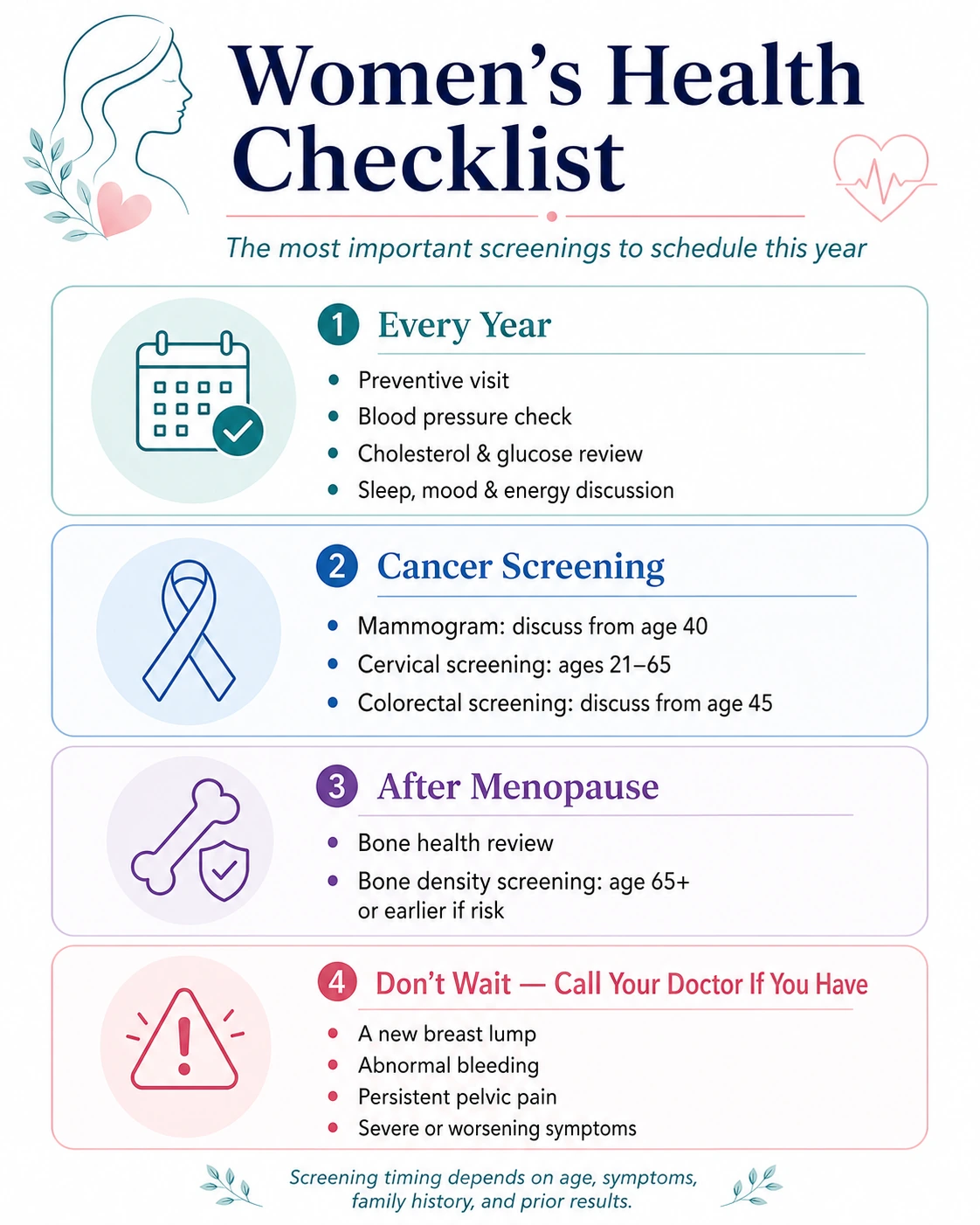
The purpose of women’s preventive care is not to order every possible test, but to build a personalized plan that matches the patient’s age, body, symptoms, risk factors, and previous screening history.
Many women delay care because they are busy, caring for others, anxious about results, unsure which visit to schedule, or uncomfortable discussing sensitive symptoms. Others assume that if they had a normal exam a few years ago, they are still fully up to date. That may not be true. Screening needs change over time, and a normal result does not always mean a patient can skip future follow-up indefinitely.
A yearly preventive visit can help organize this process. During the appointment, a clinician may review blood pressure, weight trends, medications, menstrual or menopause symptoms, breast health, cervical screening history, family history, sexual health, sleep, mood, pelvic symptoms, bone health, vaccines, and chronic disease risks. This kind of visit helps connect separate concerns into one care plan. Patients who want a broader preventive overview can review annual check-ups that keep preventive care organized.
Screening recommendations should also be applied carefully. The U.S. Preventive Services Task Force recommends biennial screening mammography for women aged 40 to 74. The USPSTF also states that cervical cancer screening in women aged 21 to 65 has substantial net benefit, while screening decisions outside that range depend on prior screening and risk. For bone health, the USPSTF recommends osteoporosis screening for women aged 65 or older and for postmenopausal women younger than 65 who are at increased fracture risk after risk assessment. These recommendations show why age matters, but they do not replace individualized medical judgment.
Women with symptoms should not wait for routine screening. A new breast lump, nipple discharge, abnormal bleeding, pelvic pain, blood in the stool, unexplained weight loss, severe fatigue, shortness of breath, fainting, or sudden neurologic symptoms should be evaluated as medical concerns, not treated as ordinary screening questions. Screening is for eligible people before symptoms; symptoms require diagnosis and clinical evaluation.
The Core Screenings Women Should Discuss With Their Doctor
A screenings for women conversation should be organized around the patient’s current life stage and health history. There is no single list that applies perfectly to every woman. A 25-year-old with no chronic conditions, a 42-year-old with a strong family history of breast cancer, a 51-year-old entering menopause, and a 68-year-old with osteoporosis risk all need different conversations.
Breast screening is one of the most common topics. For many average-risk women, mammography begins at 40 under USPSTF guidance and continues every two years through age 74. However, women with a strong family history, known genetic risk, prior chest radiation, previous abnormal breast imaging, or other high-risk features may need earlier or different planning. The clinician can also explain whether screening or diagnostic imaging is appropriate if symptoms are present.
Cervical cancer screening is another essential topic for eligible patients. It may involve cervical cytology, HPV testing, or a combination depending on age and current guidance. A history of abnormal results, immune suppression, previous cervical procedures, or inadequate prior screening can change the schedule. Patients should keep records of previous Pap and HPV results because follow-up intervals depend on what was found before.
Blood pressure, cholesterol, and blood sugar should also be part of the discussion. These checks may not feel specific to women’s health, but they are central to long-term prevention. Cardiovascular disease risk can rise after midlife and may be influenced by pregnancy-related history, menopause, family history, weight, sleep, smoking, diabetes risk, and blood pressure patterns. A preventive visit can help identify which markers should be checked and how often.
Bone health becomes more important with age and menopause status. Bone density testing is generally discussed for women aged 65 or older and for younger postmenopausal women with risk factors. Risk factors may include low body weight, parental history of hip fracture, smoking, excess alcohol use, long-term steroid use, early menopause, certain medical conditions, or previous fragility fracture. The decision should be based on risk, not fear alone.
Sleep, mood, and hormonal symptoms should not be left out. Insomnia, hot flashes, night sweats, heavy bleeding, irregular cycles, pelvic pain, low energy, anxiety, depression, weight changes, or reduced exercise tolerance can affect daily function and may point to conditions that deserve evaluation. These symptoms are common, but common does not mean irrelevant.
Health Topics to Review During the Year
A practical yearly review may include several areas of preventive and symptom-based care:
- Breast health and mammography timing
- Cervical screening history and follow-up needs
- Blood pressure, cholesterol and blood sugar risk
- Bone health and fracture risk
- Menstrual, pelvic or menopause-related symptoms
- Sleep quality, fatigue, mood and stress
- Family history of cancer, heart disease or osteoporosis
- Medication, supplement and vaccine review
Patients should also ask which screenings are due now, which can wait, and which depend on symptoms or risk factors. This prevents both undertesting and unnecessary testing. A careful clinician should explain why a test is recommended, what the result could mean, and what follow-up would be needed if the result is abnormal.
Suggested Topics to Discuss by Life Stage
The table below is a general educational overview. It should not be used as a personal medical schedule. Recommendations may differ based on risk factors, symptoms, previous results, national guidelines, insurance rules, and clinician judgment.
| Life stage | Health topics to discuss | Why it may matter | Possible next step |
|---|---|---|---|
| 20s | Cervical health, sexual health, vaccines, mental health, menstrual symptoms | Early prevention and baseline history can support future care | Review screening history and symptoms with a clinician |
| 30s | Cervical follow-up, pregnancy-related history, blood pressure, family history, fatigue | Risk patterns may begin to become clearer over time | Update records and discuss any persistent symptoms |
| 40s | Breast screening, heart risk, blood sugar, weight changes, sleep, hormone changes | Midlife is often when prevention becomes more individualized | Ask which screenings should begin or become more regular |
| 50s | Menopause symptoms, breast screening, colorectal screening, bone health, cardiovascular risk | Hormonal changes and age-related risks may affect screening needs | Build a prevention plan that includes follow-up intervals |
| 60s | Bone density, breast screening, medication review, fall risk, chronic disease monitoring | Silent changes can affect independence and long-term health | Review screening status and medication safety |
| 70s and beyond | Individualized screening, mobility, bone health, cognition, medications, care goals | Benefits and burdens of testing should be personalized | Discuss which screenings should continue, stop or change |
This kind of overview helps patients see that women’s preventive care changes over time. A visit in the 30s may focus on cervical screening, reproductive history, blood pressure, and symptoms. A visit in the 40s may add breast screening discussions and stronger cardiovascular risk review. A visit after menopause may include bone health, metabolic risk, sleep changes, medication safety, and individualized cancer screening decisions.
Patients should avoid treating the table as a strict checklist. The right plan is built through conversation. A woman with a strong family history of breast cancer may need earlier discussion than average-risk peers. A woman with early menopause may need earlier bone health review. A woman with abnormal bleeding should not wait for an annual visit. A woman with previous normal tests may still need continued screening at the correct interval.
Breast Health and Mammography: When Imaging Becomes Part of Prevention
Mammography is one of the most familiar examples of preventive imaging. It is used to look for breast cancer before symptoms appear in eligible women. Under current USPSTF guidance, average-risk women aged 40 to 74 should receive screening mammography every other year. This recommendation applies to screening, not to diagnostic evaluation of symptoms.
A screening mammogram is different from diagnostic breast imaging. Screening is used when there are no breast symptoms. Diagnostic imaging is used when there is a lump, nipple discharge, skin change, focal pain, previous abnormal image, or another clinical concern. A patient with a symptom should not wait until the next routine screening date. She should contact a clinician and ask what evaluation is appropriate.
Some women may need a more individualized breast plan. Dense breast tissue, strong family history, known genetic risk, prior chest radiation, previous high-risk biopsy, or prior abnormal imaging can affect the discussion. The physician may recommend earlier screening, additional imaging, genetic counseling, referral, or closer follow-up depending on the risk pattern.
Mammography can reduce breast cancer mortality in eligible groups, but it also has possible downsides, including false positives, callbacks, additional imaging, biopsies, anxiety, and overdiagnosis. This is why a clinician should explain both benefits and limitations. The goal is not to scare patients into testing or reassure them into skipping it; the goal is to make the right decision based on evidence and risk.
Patients who want a broader cancer prevention overview can review cancer screening guidelines by age. Patients who want to understand the role of imaging can review how mammography and other imaging detect disease before symptoms.
Cervical Health, Pelvic Symptoms and Follow-Up Testing
Cervical health is another core part of preventive care for many women. Cervical cancer screening can help detect precancerous changes or early disease before symptoms appear. Depending on age and medical history, screening may involve a Pap test, HPV testing, or both. The exact method and interval should be based on current guidance, previous results, immune status, and clinician judgment.
The USPSTF recommends cervical cancer screening for women aged 21 to 65, with specific testing strategies depending on age. It recommends against screening in women younger than 21, and also recommends against screening in women older than 65 who have had adequate prior screening and are not otherwise at high risk. These details matter because more testing is not always better, while missed follow-up after abnormal results can be risky.
Patients should keep records of previous Pap and HPV results. A normal result, an HPV-positive result, an abnormal cytology result, a colposcopy, a biopsy, or treatment for precancerous changes can all affect future screening intervals. If a patient changes clinics or moves, these records can help the new clinician avoid both unnecessary repeat testing and missed surveillance.
Pelvic symptoms should be discussed even when cervical screening is up to date. Abnormal bleeding, bleeding after sex, pelvic pain, pain during sex, persistent discharge, urinary symptoms, vulvar changes, or new pressure symptoms may need evaluation. These symptoms do not automatically mean cancer or a serious disease, but they should not be ignored because they are embarrassing or difficult to describe.
Menopause does not remove the need for gynecologic discussion. Postmenopausal bleeding should always be evaluated. Vaginal dryness, recurrent urinary symptoms, pelvic pressure, pain, sexual discomfort, or new discharge may also deserve medical review. A clinician can determine whether the issue appears hormonal, infectious, structural, urinary, medication-related, or related to another condition.
Follow-up testing after an abnormal cervical result can be stressful. Patients may hear terms such as HPV, abnormal cells, colposcopy, biopsy, or surveillance and assume the worst. In many cases, follow-up is designed to identify and monitor changes before they become more serious. The important step is completing the recommended follow-up rather than avoiding it out of fear.
Women should also ask whether vaccination history, immune status, smoking, previous procedures, or pregnancy-related history affects cervical health planning. The best screening plan is not simply based on age; it is based on the patient’s whole clinical picture.
Health Screenings After 40 and 50
The 40s and 50s are important decades for preventive care because several health risks begin to require more structured attention. This does not mean that every woman becomes unhealthy at 40 or 50. It means that screening, risk assessment, and symptom review often become more personalized during this stage of life.
Breast screening becomes a central discussion in the 40s. Women should understand when mammography should begin, how often it should be repeated, and whether family history or previous results change the plan. A clinician can also explain the difference between screening mammography and diagnostic breast imaging for symptoms.
Cardiovascular risk also deserves more attention. Blood pressure, cholesterol, blood sugar, weight changes, activity level, sleep, smoking history, pregnancy-related complications, and family history all influence long-term risk. Heart disease is not only a male health issue. Women may experience cardiovascular risk differently, and prevention should not be postponed until symptoms appear.
Colorectal cancer screening is another important midlife topic. Many adults begin discussing colorectal screening at age 45 under USPSTF guidance. The appropriate method depends on risk, prior results, preferences, and ability to complete follow-up if a test is abnormal. Women should not assume that colorectal screening is less relevant because they are already focused on breast or cervical screening.
Menopause and perimenopause can also change the health conversation. Hot flashes, night sweats, irregular bleeding, mood changes, sleep disruption, weight changes, vaginal symptoms, urinary symptoms, and sexual discomfort may affect quality of life. These symptoms may be common, but they still deserve discussion when they interfere with daily functioning or appear with warning signs.
Bone health becomes increasingly important after menopause. Estrogen changes, family history, low body weight, smoking, alcohol use, certain medications, and previous fractures may affect osteoporosis risk. Bone density screening is generally recommended for women aged 65 and older, and for younger postmenopausal women at increased risk after risk assessment. The timing should be discussed with a clinician.
Women in midlife may also notice changes in sleep, energy, and stress tolerance. These changes can be related to hormonal transition, caregiving responsibilities, work stress, mood symptoms, pain, sleep apnea, thyroid disease, anemia, medication effects, or metabolic changes. A preventive visit gives the physician a chance to sort these possibilities rather than treating fatigue as inevitable.
For broader prevention, patients can review lifestyle habits that reduce heart disease risk. Lifestyle steps are most useful when they are paired with regular medical review, appropriate screening, and follow-up for abnormal results.
Hormonal Health, Sleep and Energy: Symptoms Worth Mentioning
Hormonal changes can affect sleep, mood, temperature regulation, bleeding patterns, weight, skin, sexual health, and energy. However, not every symptom in midlife is caused by hormones. Fatigue, insomnia, palpitations, anxiety, weight change, brain fog, low mood, heavy bleeding, and hot flashes can overlap with thyroid disease, anemia, depression, sleep apnea, medication effects, chronic stress, diabetes risk, and other conditions.
This is why symptom discussion matters. A patient may describe poor sleep as “normal for my age,” or heavy bleeding as “just hormones,” when a medical review is still appropriate. The physician may ask about timing, severity, triggers, associated symptoms, menstrual pattern, menopause status, medications, family history, and whether symptoms affect work, exercise, relationships, or daily functioning.
Sleep deserves special attention. Difficulty falling asleep, waking frequently, night sweats, loud snoring, morning headaches, or daytime sleepiness can affect mood, blood pressure, weight, concentration, and cardiovascular risk. Some sleep problems are related to stress or hormonal transition, while others may suggest a sleep-related breathing disorder. When snoring, pauses in breathing, or daytime fatigue are prominent, patients may benefit from learning about sleep testing for persistent fatigue or nighttime breathing concerns.
Energy changes should also be taken seriously when they are persistent. Fatigue can be linked to sleep disruption, anemia, thyroid disease, depression, medication effects, chronic infection, inflammatory conditions, vitamin deficiencies, diabetes risk, or heart and lung problems. A clinician may decide whether examination, laboratory testing, sleep evaluation, or another step is appropriate.
Mood and stress are part of women’s health, not separate from it. Anxiety, depression, irritability, grief, burnout, low motivation, or difficulty concentrating can affect physical symptoms and treatment adherence. Patients should not avoid mentioning these concerns because they seem less “medical.” Primary care and women’s health visits often become the first place where these issues are identified and addressed.
Hormone therapy questions should be discussed individually. Some women may ask about treatment for menopause symptoms, but the decision depends on symptom severity, age, time since menopause, personal and family history, cardiovascular risk, breast cancer risk, clotting risk, uterine status, and patient preference. This is not a topic for generic advice or self-treatment without clinician guidance.
Persistent changes in sleep, energy, bleeding, mood, weight, or pelvic comfort deserve medical discussion because they may reflect hormones, but they may also point to other treatable conditions.
How to Prepare for a Women’s Health Visit
A women’s health appointment is more useful when the patient brings accurate information and clear questions. Many screening decisions depend on dates, prior results, symptoms, medications, family history, pregnancy history, menopause status, and previous procedures. Preparation can make the visit more efficient and reduce the chance of missed follow-up.
Patients should bring or know the dates of recent screenings. This may include mammograms, Pap tests, HPV tests, colonoscopy, stool-based colorectal tests, bone density scans, vaccines, blood work, pelvic ultrasound, biopsy results, or specialist visits. If the patient does not remember exact dates, approximate timing and clinic names can still help.
Family history should be updated. The clinician may need to know whether close relatives had breast, ovarian, colorectal, uterine, pancreatic, prostate, or other cancers, and the age at diagnosis. Family history of heart disease, stroke, diabetes, osteoporosis, blood clots, or autoimmune disease may also affect preventive care.
Patients should write down symptoms before the visit. Useful details include when symptoms started, whether they are getting worse, how often they occur, what triggers them, and whether they affect sleep, sex, exercise, work, mood, urination, bowel habits, or daily routines. This helps the clinician decide whether the concern is routine, needs testing, or should be referred.
What to Bring or Review Before the Appointment
A short preparation list can make the visit more focused:
- Dates and results of previous screenings
- Medication, supplement and allergy list
- Menstrual, pregnancy or menopause-related history
- Family history of cancer, heart disease or osteoporosis
- Symptoms related to bleeding, pain, sleep, mood or energy
- Previous imaging, biopsy or abnormal test results
- Questions about contraception, hormones or sexual health
- Insurance, referral or pharmacy information if needed
Patients should also be direct about sensitive concerns. Pain during sex, urinary leakage, vaginal dryness, abnormal discharge, libido changes, domestic safety, pregnancy possibility, sexual exposure, trauma history, and mood symptoms can all be relevant to care. A clinician can only help with information the patient feels able to share.
It is also helpful to ask for a clear follow-up plan before leaving. Patients should know which screenings are due now, which results are pending, how they will be contacted, what symptoms should prompt earlier care, and when the next visit should be scheduled. A checklist is only useful if it leads to completed care.
When Women Should Not Wait for a Routine Screening Date
Preventive visits are important, but some symptoms should be evaluated sooner than a planned annual appointment. Screening is designed for patients who meet criteria before symptoms appear. When symptoms are already present, the medical question changes. The clinician may need to evaluate a specific concern rather than simply update a routine checklist.
A new breast lump, nipple discharge, skin dimpling, breast swelling, redness, persistent focal breast pain, or a visible change in breast shape should be discussed with a clinician promptly. These symptoms do not automatically mean cancer, but they should not be postponed until the next scheduled mammogram. Diagnostic breast imaging or clinical evaluation may be more appropriate than routine screening.
Abnormal bleeding also deserves attention. This includes bleeding after menopause, bleeding after sex, unusually heavy bleeding, bleeding between periods, or a major change from the patient’s usual cycle. Causes can include hormonal changes, fibroids, polyps, infection, medication effects, pregnancy-related issues, or other conditions. The important point is that the symptom should be evaluated rather than normalized without review.
Pelvic pain, persistent bloating, pressure, urinary changes, pain during sex, or unexplained digestive changes can be difficult to interpret. Many benign conditions can cause these symptoms, but persistence, worsening, or association with weight loss, bleeding, fever, vomiting, or severe pain should lead to medical evaluation. A clinician can decide whether pelvic exam, lab testing, ultrasound, imaging, referral, or follow-up is appropriate.
Severe symptoms should not be routed through routine scheduling. Chest pain, severe shortness of breath, fainting, sudden weakness, severe headache with neurologic symptoms, uncontrolled bleeding, severe allergic reaction, or sudden confusion may require emergency care. Women sometimes delay urgent evaluation because symptoms seem vague or because they are focused on family responsibilities. Severe or sudden symptoms should be treated as medical priorities.
Patients should also seek faster care when they have symptoms plus higher-risk medical history. Pregnancy, recent childbirth, cancer treatment, immune suppression, heart disease, blood thinner use, recent surgery, diabetes, kidney disease, or previous abnormal screening results can change the level of concern. A symptom that might be monitored in one patient may need faster evaluation in another.
How Women’s Health Connects to Imaging, Lab Work and Primary Care
Women’s health is often discussed as a separate service line, but in real care it overlaps with primary care, laboratory testing, medical imaging, chronic disease prevention, sleep evaluation, and specialist referral. A preventive visit may begin with one question, such as mammography timing, and lead to a broader review of blood pressure, lab work, sleep, medication safety, family history, or symptoms.
Laboratory testing can support several women’s health decisions. Depending on symptoms and history, a clinician may consider blood count, thyroid markers, glucose, cholesterol, kidney function, liver markers, iron status, hormone-related tests, pregnancy testing, infection testing, or urine testing. These tests should be ordered for a specific reason, not as a random panel without clinical purpose.
Imaging may also support care when appropriate. Mammography is used for breast screening in eligible women. Ultrasound may help evaluate certain pelvic, breast, thyroid, abdominal, vascular, or pregnancy-related concerns depending on the clinical situation. MRI, CT, or other imaging may be used when the physician needs more detailed information. The best imaging method depends on the symptom, risk, exam finding, and medical question.
Primary care helps connect these services. A woman may see a gynecologist for cervical screening, an imaging center for mammography, a laboratory for blood work, and a primary care physician for blood pressure and medication review. Without coordination, results can become fragmented. A primary care relationship helps keep the full picture organized.
Follow-up is also part of prevention. A screening test is not complete until the result is reviewed and the next step is clear. A patient should know whether the result was normal, abnormal, incomplete, or requires repeat testing. She should also know when the next screening is due and what symptoms should prompt earlier contact.
The phrase annual women’s health exam can sound simple, but the visit may involve several decisions: which screenings are due, which symptoms require diagnosis, which risk factors need monitoring, and which services should be coordinated. That is why the appointment should be treated as a planning visit, not only a physical exam.
How to Make the Checklist Useful After the Visit
A checklist only helps if it leads to action. After a women’s health visit, patients should leave with a clear understanding of what was completed, what is pending, what should be scheduled, and what can wait. Without that clarity, even a thorough appointment can become confusing.
Patients should ask for the expected timing of results. Some results may return quickly through a patient portal, while others may require clinician review. If a mammogram, Pap test, HPV test, blood work, biopsy, ultrasound, or other study is ordered, the patient should know how results will be communicated and when to follow up if she does not hear back.
It is also useful to write down the next due date for each screening. Many patients remember that a test was normal but forget when it should be repeated. The interval may depend on age, result type, prior abnormalities, risk factors, and guideline updates. A written plan reduces uncertainty.
Patients should keep copies of important results when possible. Mammography reports, cervical screening results, biopsy reports, colonoscopy findings, bone density reports, genetic testing results, and specialist recommendations can affect future decisions. Keeping records is especially useful after moving, changing insurance, or switching clinics.
Women should also revisit the plan when health changes. A new symptom, new family diagnosis, pregnancy, menopause transition, medication change, abnormal result, surgery, or chronic condition can alter screening needs. A checklist should not be static. It should be reviewed and adjusted over time.
Finally, patients should separate routine follow-up from urgent symptoms. If a result is pending but symptoms worsen, waiting for the scheduled follow-up may not be appropriate.The care team should be contacted sooner, or emergency care should be used if symptoms are severe.
Medical Disclaimer
This article is for educational purposes only and does not replace professional medical advice, diagnosis, or treatment. Screening recommendations depend on age, symptoms, risk factors, previous results, country-specific guidance, and personal medical history; speak with a qualified clinician about the right plan for your situation.
Author
By Dr. Cody R. Christensen, M.D. He practices at Sweetwater Medical Center, where he integrates pharmacologic treatment with lifestyle medicine and psychotherapy to support lasting patient wellness.
Medically Reviewed: by Clinical Pharmacy Board
Last Updated: 08.06.2026
FAQ
What screenings should women schedule every year?
Not every screening is done every year. A yearly visit can review blood pressure, symptoms, medications, family history, and which cancer, bone, heart, or reproductive health screenings are due based on age and risk.
When should women start mammograms?
USPSTF recommends screening mammography every other year for women aged 40 to 74. Women with higher risk or breast symptoms may need a different plan and should discuss timing with a clinician.
Are screenings different after menopause?
Yes. After menopause, bone health, breast screening, cardiovascular risk, postmenopausal bleeding, urinary symptoms, sleep, and medication safety may become more important parts of prevention.
Should I mention sleep and mood changes?
Yes. Sleep disruption, fatigue, anxiety, depression, irritability, and low energy can affect physical health and may point to treatable conditions. These concerns belong in a women’s health visit.
Do I need a visit if I feel healthy?
Yes, feeling healthy does not always mean screenings are current or silent risks are absent. Preventive visits help review what is due before symptoms appear.