
Why Heart Disease Prevention Starts Before Symptoms
Heart disease prevention should begin before chest pain, shortness of breath, fatigue with exertion, swelling, dizziness, or a medical emergency appears. Many cardiovascular risks build slowly over years. Blood pressure can rise without obvious symptoms. Cholesterol changes cannot usually be felt. Blood sugar may increase gradually. Poor sleep, smoking, chronic stress, weight gain, inactivity, and diet patterns can all affect cardiovascular health long before a patient feels seriously ill.
The American Heart Association organizes cardiovascular health around Life’s Essential 8: eating better, being more active, quitting tobacco, getting healthy sleep, managing weight, controlling cholesterol, managing blood sugar, and managing blood pressure. These areas show why prevention is not one habit or one test. It is a combination of daily behavior, measurable health markers, and regular medical follow-up.
The most effective prevention plan is not built around one dramatic change; it is built around realistic habits that can be measured, repeated, and adjusted with medical guidance over time.
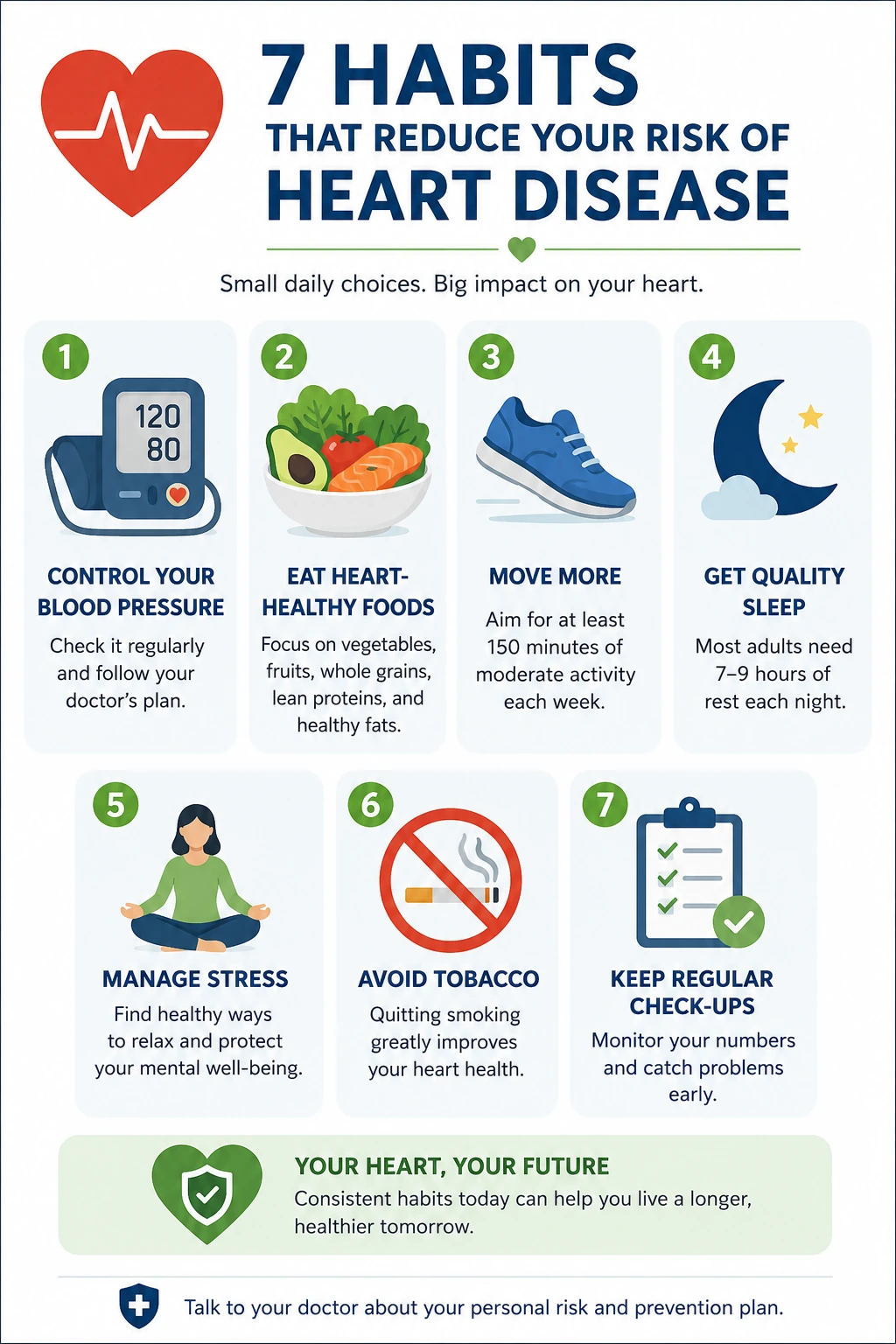
Patients often search for ways to reduce risk of heart disease after a family member has a heart attack, after a high blood pressure reading, after abnormal cholesterol results, or after a physician warns them about future risk. That moment can be useful, but prevention works best when it starts earlier. A routine visit can help identify what matters most for the individual patient rather than relying on generic advice.
The Centers for Disease Control and Prevention explains that physical activity can help maintain a healthy weight and lower blood pressure, blood cholesterol, and blood sugar levels. CDC also states that adults are recommended to get 2 hours and 30 minutes of moderate-intensity exercise each week. This does not mean every patient should begin with intense workouts. It means movement should be treated as a regular part of health, adapted to ability, safety, and medical history.
Heart prevention also depends on medical monitoring. The U.S. Preventive Services Task Force recommends screening adults 18 years or older for hypertension with office blood pressure measurement and obtaining blood pressure measurements outside the clinical setting for diagnostic confirmation before starting treatment. This matters because a person may feel well while blood pressure is repeatedly elevated. Patients who want to understand routine prevention can review annual check-ups that detect silent cardiovascular risks.
Lifestyle habits do not replace medical care when symptoms are severe. Chest pain, severe shortness of breath, fainting, sudden weakness, trouble speaking, severe allergic reaction, or sudden confusion require urgent evaluation. Prevention lowers long-term risk, but emergency symptoms should never be managed with diet, exercise, supplements, or waiting.
Habit 1 – Know Your Blood Pressure and Follow Up on High Readings
Blood pressure is one of the most important numbers in heart disease prevention because it reflects the force of blood against artery walls. When pressure stays high over time, it can increase strain on the heart, blood vessels, brain, kidneys, and eyes. The challenge is that many people with high blood pressure do not feel symptoms, which makes measurement and follow-up essential.
A single high reading does not always mean a patient has chronic hypertension. Pain, stress, caffeine, nicotine, recent exercise, poor sleep, certain medications, and incorrect technique can temporarily raise the number. However, repeated high readings should not be ignored. A physician may recommend repeat office measurements, home monitoring, ambulatory monitoring, laboratory testing, medication review, lifestyle changes, or treatment depending on the patient’s overall risk.
Home monitoring can be useful, but technique matters. The cuff should fit correctly. The patient should sit quietly, support the arm, avoid talking, and follow the device instructions. Readings should be recorded with date and time rather than remembered from memory. The goal is to identify a pattern, not to react emotionally to one number.
Patients should also understand warning symptoms. A very high reading with chest pain, severe shortness of breath, weakness on one side, trouble speaking, confusion, severe headache, vision change, or fainting should be treated differently from a high reading without symptoms. A practical guide on warning signs your blood pressure needs medical attention can help patients understand when faster care may be needed.
Blood pressure control is not only about medication or only about lifestyle. Some patients need both. Nutrition, activity, sleep, weight, alcohol use, tobacco use, stress, kidney function, diabetes risk, and medication adherence can all influence readings. The safest plan is individualized and reviewed over time.
Habit 2 – Build Meals Around Heart-Supportive Patterns
Nutrition affects several cardiovascular risk factors at once, including blood pressure, cholesterol, blood sugar, weight, inflammation, and overall metabolic health. A heart-supportive eating pattern does not need to be extreme, expensive, or perfect. It should be sustainable enough to become normal life rather than a short-term diet.
The American Heart Association describes eating better as one of Life’s Essential 8 and encourages patterns rich in vegetables, fruits, nuts, seeds, legumes, whole grains, healthy oils, fish or seafood, low-fat dairy where appropriate, and lean proteins, while limiting sugary foods and drinks, red meats, processed meats, salty snacks, and highly processed foods. The goal is not a rigid food rule but a pattern that supports better long-term health markers.
Sodium deserves special attention for patients with elevated blood pressure. Many people think sodium mainly comes from the salt shaker, but a large amount can come from restaurant meals, packaged foods, sauces, soups, deli meats, snacks, and processed products. Reading labels and choosing less processed foods can make a meaningful difference for some patients.
Fiber is also important. Whole grains, beans, lentils, vegetables, fruit, nuts, and seeds can support satiety, blood sugar stability, bowel health, and cholesterol management. Replacing highly processed carbohydrates with higher-fiber foods may be more realistic than trying to remove entire food groups.
Patients should be careful with online diets that promise rapid heart protection through extreme restriction, supplements, detoxes, or single “miracle” foods. A useful nutrition plan should consider the patient’s medical conditions, kidney function, diabetes risk, medications, culture, budget, cooking skills, schedule, and personal preferences. For some patients, referral to a registered dietitian may be helpful.
Habit 3 – Move More, Even Before You Feel “Ready to Exercise”
Physical activity supports cardiovascular health by helping improve blood pressure, cholesterol, blood sugar, weight management, circulation, mood, sleep, and functional capacity. Many patients delay activity because they believe exercise must be intense, structured, or gym-based to matter. In reality, consistent movement can start with walking, light cycling, water exercise, strength basics, stretching, household activity, or short movement breaks.
CDC states that regular physical activity can help maintain a healthy weight and lower blood pressure, cholesterol, and blood sugar. For many adults, the general recommendation is 150 minutes of moderate-intensity activity per week. That can be divided into manageable sessions, such as 30 minutes on five days, or shorter sessions accumulated across the week when appropriate.
Patients who are inactive should usually begin gradually. Starting with a level that feels realistic reduces the risk of pain, frustration, or injury. A person who has been sedentary may begin with five to ten minutes of walking and increase over time. Someone with joint pain may need low-impact activity. Someone with balance problems may need supervised or seated exercise. Someone with chest pain, fainting, severe shortness of breath, or known heart disease should ask a clinician before increasing activity.
Strength training also matters, especially with aging. Muscle supports glucose control, mobility, fall prevention, independence, and metabolic health. It does not need to begin with heavy weights. Bodyweight movements, resistance bands, supervised therapy, or light strength routines may be appropriate depending on the patient’s ability and medical history.
The most important activity plan is the one the patient can repeat. Walking after meals, parking farther away, using stairs when safe, standing more often, gardening, dancing, cycling, swimming, or structured classes can all contribute. Medical advice becomes especially important when symptoms appear during activity or when chronic disease is not yet stable.
Daily Habits and the Health Markers They May Support
Heart health habits work best when patients understand which markers they may influence. The table below is educational and should not be used as a personal treatment plan. A clinician can help decide which markers need monitoring and which changes are safest for the patient.
| Habit | Marker it may support | Simple way to start | When to ask a clinician |
|---|---|---|---|
| Regular movement | Pressure, glucose, cholesterol, weight and functional capacity | Begin with short walks or low-impact activity | Before increasing activity if chest pain, fainting or severe breathlessness occurs |
| Higher-fiber meals | Cholesterol, blood sugar and satiety | Add beans, vegetables, oats or fruit to daily meals | If kidney disease, digestive disease or diabetes medications affect diet choices |
| Lower sodium choices | Blood pressure and fluid balance | Compare food labels and reduce highly processed foods | If taking diuretics, having kidney disease or heart failure |
| Better sleep routine | Blood pressure, energy, mood and weight-related patterns | Keep a consistent sleep schedule and mention snoring | If loud snoring, breathing pauses or daytime sleepiness are present |
| No tobacco exposure | Blood vessels, oxygen delivery and long-term cardiovascular risk | Ask about cessation tools and support | If withdrawal, relapse or medication questions arise |
| Regular preventive visits | Blood pressure, cholesterol, glucose and medication safety | Schedule a routine review before symptoms become urgent | If readings, symptoms or previous results are changing |
Habit 4 – Treat Sleep as Part of Cardiovascular Health
Sleep is often treated as a lifestyle detail, but it can influence cardiovascular health in several ways. Poor sleep can affect blood pressure, appetite regulation, glucose control, stress response, mood, concentration, and the ability to maintain healthy routines. A patient who is exhausted may find it harder to cook balanced meals, stay active, take medications consistently, or manage stress.
The American Heart Association includes sleep duration in Life’s Essential 8, which reflects how strongly sleep connects with heart and metabolic health. Good sleep does not mean sleeping perfectly every night. It means creating a consistent pattern and taking persistent sleep problems seriously when they affect daytime function or appear with medical warning signs.
Snoring is one symptom patients often minimize. Occasional light snoring may not always signal disease, but loud snoring with pauses in breathing, gasping, choking, morning headaches, daytime sleepiness, or difficult-to-control blood pressure should be discussed with a clinician. These symptoms may suggest sleep apnea or another sleep-related breathing concern.
Sleep apnea is especially relevant to cardiovascular prevention because repeated breathing interruptions can cause oxygen changes, arousals, and stress responses during the night. Not every patient with poor sleep has sleep apnea, and not every snorer needs testing, but persistent symptoms should not be ignored. Patients can review sleep testing for snoring, fatigue or nighttime breathing concerns to understand when evaluation may be appropriate.
Insomnia also matters. Difficulty falling asleep, waking frequently, waking too early, or sleeping unrefreshingly can affect stress hormones, mood, eating patterns, and daily activity. Insomnia may be related to anxiety, depression, pain, menopause symptoms, medication timing, caffeine, alcohol, shift work, or poor sleep habits. A clinician can help identify whether medical evaluation, behavioral treatment, medication review, or referral is appropriate.
Patients should also consider sleep timing and consistency. Irregular sleep schedules can make healthy routines harder to maintain. Shift workers, caregivers, parents of young children, and people with multiple jobs may not be able to control sleep perfectly, but even small improvements in consistency, light exposure, caffeine timing, and bedtime routine may help.
Habit 5 – Manage Stress Without Ignoring Physical Symptoms
Stress can affect the heart indirectly and directly. It may influence blood pressure, sleep, appetite, alcohol use, tobacco use, physical activity, medication adherence, and the way patients respond to symptoms. Chronic stress can also make it harder to keep routine appointments, prepare meals, exercise, or follow a long-term care plan.
Managing stress does not mean pretending life is calm. It means identifying which stress responses are affecting health and choosing practical tools that can be repeated. Breathing exercises, walking, therapy, social support, time outdoors, structured problem-solving, journaling, spiritual support, reduced alcohol use, and better sleep routines may all help depending on the person.
However, stress should not become an automatic explanation for every physical symptom. Chest pressure, severe shortness of breath, fainting, sudden weakness, trouble speaking, severe headache, or new neurologic symptoms should not be dismissed as anxiety without medical evaluation. Some serious conditions can feel similar to stress at first.
This is especially important for patients with known cardiovascular risk factors, including high blood pressure, diabetes, smoking history, kidney disease, high cholesterol, obesity, sleep apnea, or a family history of early heart disease. A symptom that feels like panic or indigestion may still deserve urgent evaluation when it is new, severe, or unusual.
Patients should learn the difference between long-term stress management and urgent symptom response. Meditation, breathing, exercise, counseling, and rest may help chronic stress, but they should not delay emergency care when warning signs appear. A practical guide on when symptoms belong in emergency care can help patients decide when faster care is safer.
Stress management is most useful when it is realistic. A patient caring for an older parent, working night shifts, recovering from illness, or living with chronic pain may not be able to follow generic advice. A physician or mental health professional can help connect stress reduction to the patient’s real life rather than prescribing unrealistic routines.
Habit 6 – Use Lab Tests and Imaging When Your Doctor Recommends Them
Heart prevention is not only about lifestyle choices. It also depends on measuring the right health markers at the right time. Laboratory testing may help physicians evaluate cholesterol, blood sugar, kidney function, liver function, anemia, thyroid concerns, medication safety, or inflammation in selected situations. These results can help identify risk before symptoms appear.
A patient may feel healthy while cholesterol is high, blood sugar is rising, or kidney function is changing. Symptoms are not always reliable early warning signs. This is why preventive visits and periodic testing can be important, especially for adults with high blood pressure, diabetes risk, family history, obesity, smoking history, kidney disease, or medication use that requires monitoring.
Patients should understand why a test is being ordered. A cholesterol test may help estimate cardiovascular risk. Kidney markers may help determine whether certain medications are safe. Blood sugar testing may identify diabetes or prediabetes risk. A blood count may help evaluate fatigue or anemia. The result should lead to a clear explanation and next step, not simply appear in a portal without context.
Laboratory work can also monitor progress. If a patient changes nutrition, increases activity, starts medication, loses weight, or improves blood pressure control, follow-up results may help show whether risk markers are improving. Patients can review lab testing that helps physicians monitor risk to understand how results support clinical decisions.
Imaging may also be recommended when symptoms, risk factors, or exam findings require more information. For example, a physician may order imaging for chest symptoms, vascular concerns, heart-related evaluation, abdominal symptoms, injury, or follow-up after abnormal results. Imaging should not be used as a general reassurance tool without a clinical question, but it can be valuable when the result will guide care.
Patients can learn more about imaging used to clarify disease risk and symptoms. The key principle is the same for testing and imaging: the right test should answer a focused question and help the physician decide what to do next.
Habit 7 – Keep Preventive Visits on the Calendar
The final habit is the one many adults skip: regular preventive care. Lifestyle changes work best when they are paired with medical review. A physician can help track blood pressure, cholesterol, blood sugar, weight trends, sleep concerns, medication safety, family history, smoking status, and symptoms that may need evaluation.
Preventive visits also help personalize advice. One patient may need to focus first on blood pressure and sodium intake. Another may need sleep apnea evaluation. Another may need smoking cessation support. Another may need cholesterol treatment, diabetes prevention, or medication review. A generic plan is less useful than one connected to the patient’s actual numbers and risks.
Regular visits can also detect changes before they become urgent. A patient may not feel high cholesterol, early diabetes risk, kidney function changes, or rising blood pressure. Preventive care gives the physician a chance to notice patterns, compare results over time, and recommend follow-up before symptoms become severe.
Signs You Should Schedule a Preventive Visit Soon
Patients should consider scheduling a routine visit when any of the following apply:
- You have not had blood pressure checked recently
- You have a family history of heart attack, stroke or diabetes
- You have gained weight or become less active over time
- You feel tired despite enough time in bed
- You snore loudly or wake up gasping
- You take medications that need monitoring
- You smoke or recently quit smoking
- You are unsure whether screenings or vaccines are current
Patients should not wait for a perfect time. A preventive visit does not require solving every health problem immediately. It can begin with one question: what is the most important risk to address this year? That question alone can turn scattered health concerns into a practical plan.
Heart prevention becomes more achievable when daily habits, measurable health markers, and regular medical follow-up work together instead of being treated as separate tasks.
How to Make Heart-Healthy Habits Sustainable
Many patients begin prevention with strong motivation after a high reading, abnormal lab result, family event, or medical scare. The challenge is not starting. The challenge is continuing when life becomes busy, stressful, or unpredictable. A sustainable plan should be specific enough to follow but flexible enough to survive real life.
Small changes often work better than dramatic plans that collapse after a few weeks. A patient may begin by walking after dinner three times a week, replacing one processed meal with a home-prepared option, checking blood pressure on a schedule recommended by the physician, or setting a consistent bedtime on work nights. These steps may seem modest, but they create a foundation for larger changes.
Tracking can help, but it should not become obsessive. Blood pressure logs, activity minutes, sleep hours, weight trends, medication adherence, or food patterns can provide useful feedback. The goal is to notice patterns and make informed adjustments, not to punish every imperfect day.
Patients should also identify barriers early. Joint pain, caregiving responsibilities, shift work, cost, food access, stress, depression, transportation, medication side effects, or lack of safe walking space can all interfere with prevention. These barriers are medical and practical realities, not personal failures. A clinician can often help adjust the plan.
Social support may improve consistency. Walking with a friend, cooking with family, joining a supervised program, asking a partner to reduce tobacco exposure, or sharing goals with a clinician can make habits easier to repeat. For some patients, support from a dietitian, therapist, physical therapist, sleep specialist, or smoking cessation program may be more effective than trying to manage everything alone.
When Lifestyle Changes Are Not Enough by Themselves
Lifestyle habits are powerful, but they do not replace medical treatment when treatment is needed. Some patients can improve risk markers with nutrition, activity, sleep, smoking cessation, and weight management. Others may still need medication for blood pressure, cholesterol, diabetes, heart rhythm problems, or other conditions. Needing medication is not a failure. It means the care plan is matched to the level of risk.
Patients should avoid stopping prescribed medications because lifestyle habits have improved. A better blood pressure reading or cholesterol result may happen because the medication is working. Any change should be discussed with the prescribing clinician. Stopping suddenly can be unsafe, especially for patients with known heart disease, previous stroke, kidney disease, diabetes, very high readings, or multiple risk factors.
Supplements should also be discussed with a physician. Some products marketed for heart health can interact with medications, affect bleeding risk, influence blood pressure, or create false reassurance. A supplement should not delay proven treatment when risk is significant.
Medical treatment and lifestyle habits often work together. A patient taking blood pressure medication may still benefit from lower sodium intake, activity, sleep evaluation, and weight management. A patient taking cholesterol medication may still need nutrition changes and exercise. A patient with diabetes risk may need both medical monitoring and daily routines that support glucose control.
The best plan is reviewed over time. If numbers improve, the physician may continue the same plan, adjust medication, reduce monitoring frequency, or focus on another risk. If numbers worsen, the plan may need additional treatment, testing, or specialist input. Prevention is not a one-time decision.
Medical Disclaimer
This article is for educational purposes only and does not replace professional medical advice, diagnosis, or treatment. If you have chest pain, severe shortness of breath, fainting, stroke-like symptoms, severe weakness, or another urgent concern, seek emergency medical care immediately.
Author
By Dr. Cody R. Christensen, M.D. He practices at Sweetwater Medical Center, where he integrates pharmacologic treatment with lifestyle medicine and psychotherapy to support lasting patient wellness.
Medically Reviewed: by Clinical Pharmacy Board
Last Updated: 08.06.2026
FAQ
Can lifestyle changes prevent heart disease completely?
No lifestyle plan can guarantee complete prevention. Healthy habits can reduce risk, improve measurable markers, and support long-term health, but genetics, age, medical history, and other factors still matter.
How often should I check my blood pressure?
The right schedule depends on your readings, medications, diagnosis, and physician’s plan. Some patients need regular home monitoring, while others only need checks during routine visits.
Does sleep affect heart health?
Yes. Sleep quality and duration can affect blood pressure, metabolism, mood, weight-related habits, and daytime functioning. Loud snoring, breathing pauses, or daytime sleepiness should be discussed with a clinician.
When should I see a doctor before starting exercise?
Ask a clinician before increasing activity if you have chest pain, fainting, severe shortness of breath, known heart disease, uncontrolled blood pressure, major mobility limits, or symptoms during exertion. A safer plan can be adapted to your condition.
Are lab tests necessary if I feel healthy?
Sometimes yes. Cholesterol, blood sugar, kidney function, and other markers can change before symptoms appear. A physician can recommend testing based on age, risk factors, medications, and medical history.