
Medical Disclaimer
This article is for educational purposes only and does not constitute medical advice. Always consult a licensed healthcare professional before starting, adjusting, or stopping any medication.
Author: Dr. David R. Dansie, Family Medicine Physician.
Why GLP-1 Receptor Agonists Became a Key Treatment Class
Type 2 diabetes continues to be one of the fastest-growing chronic conditions in the U.S. By late 2025, an estimated 38 million Americans are living with diabetes, and most of these cases involve impaired insulin sensitivity and progressive metabolic dysregulation. As the number of affected individuals rises, the focus has shifted toward treatments that offer not only glucose-lowering benefits but also convenience, improved adherence, and long-term metabolic stability.
GLP-1 receptor agonists have gained major clinical and scientific attention due to their ability to support glucose control through multiple mechanisms. For many years, all GLP-1 therapies were available only as injections, which created a psychological and practical barrier for many patients. The introduction of an oral GLP-1 receptor agonist fundamentally changed patient access and acceptance.
Rybelsus: The First Oral Form of Semaglutide
Rybelsus represents a major innovation because it delivers semaglutide – a GLP-1–based treatment in tablet form. This development is especially meaningful for individuals uncomfortable with injections and for clinicians seeking more flexible therapeutic options. As patient preferences evolve, the ability to choose between Rybelsus tablets vs. Ozempic injections has become a key part of modern, patient-centered diabetes management.
For a broader evidence‐based guide on Semaglutide (the active agent behind both), see Semaglutide Overview for 2025 – Evidence-Based Guide for Patients in the United States.
Access and Pharmacy Availability
Rybelsus is available only by prescription and is dispensed through licensed pharmacies. Patients can fill their prescriptions at their preferred location, including medical centers such as: Sweetwater Medical Center Pharmacy
Purpose of This Article
This article presents a clear and updated overview of Rybelsus as of late 2025. It explains:
- what Rybelsus is,
- how it works,
- and how current clinical evidence positions it within the broader treatment landscape.
It also addresses a common starting question for many patients researching this medication: what is rybelsus. Understanding the role of this therapy helps patients make informed decisions about their metabolic health.
What Is Rybelsus and How It Works: Full Mechanism and Clinical Context
Rybelsus as an Oral GLP-1 Therapy
Rybelsus is an oral formulation of semaglutide, part of the GLP-1 receptor agonist class. As a rybelsus medication, it stands out as the first clinically approved tablet capable of producing GLP-1–related metabolic effects. Semaglutide is structurally similar to the natural GLP-1 hormone, which helps regulate appetite and satiety, insulin secretion, and blood glucose levels.
How GLP-1 Activity Supports Glucose Regulation
GLP-1 mechanisms influence several key metabolic processes:
- Glucose-dependent insulin release
- Reduction of hepatic (liver) glucose output
- Delayed gastric emptying, supporting steadier post-meal glucose patterns
These combined effects help many people with type 2 diabetes maintain more stable glucose levels throughout the day.
Why Oral Delivery Was Historically Not Possible
Until recently, GLP-1 therapies couldn’t be taken orally because digestive enzymes break down peptide-based medications before they can be absorbed. Rybelsus uses a specialized absorption enhancer, allowing semaglutide to survive the digestive system and reach the bloodstream – making it the first tablet of its kind.
Role of Rybelsus in Metabolic Regulation
While the detailed biological mechanisms are complex, the simplified explanation is this: Semaglutide interacts with GLP-1 receptors involved in glucose regulation and appetite control, helping the body manage glucose more efficiently. Any decisions to start, stop, or adjust treatment must always be made by a healthcare professional who can evaluate a person’s medical history and needs.
Growing Clinical Evidence
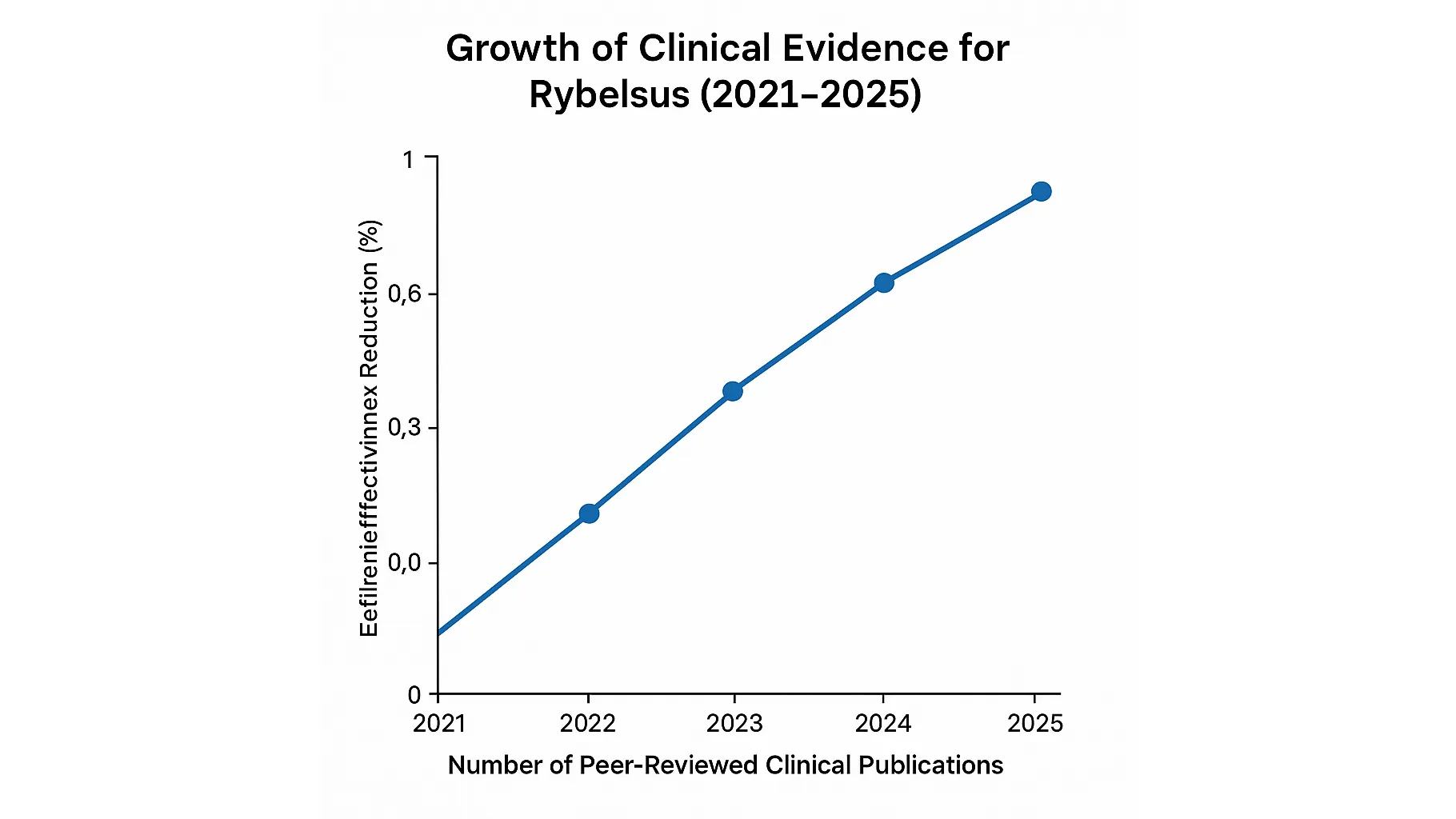
Over the past several years, research interest in oral semaglutide has continued to grow. The figure below illustrates the upward trend in published clinical findings, showing increased study volume and stronger long-term evidence supporting the medication.
Rybelsus Uses and Benefits for Type 2 Diabetes: Evidence-Based Insights
Rybelsus has become an important option within the broader therapeutic landscape for adults living with type 2 diabetes. As research has progressed, clinicians have gained a clearer understanding of how oral semaglutide performs in real-world settings. The primary rybelsus uses center around improvements in glycemic control, but many studies also highlight supporting metabolic benefits that may enhance long-term stability for patients.
Evidence from clinical trials conducted between 2021 and 2025 consistently shows that oral semaglutide can help reduce average blood glucose values, as reflected by HbA1c levels. Multiple peer-reviewed publications have explored its effectiveness across various patient populations, including individuals who previously struggled to maintain target glucose ranges using other therapeutic categories. While results vary among individuals, the general trend suggests that Rybelsus contributes to more stable day-to-day glucose patterns when used under medical supervision.
Beyond glycemic effects, some analyses indicate that GLP-1–based therapies may support broader metabolic functions. These include adjustments in appetite signaling and reduced post-meal glucose excursions – factors that often present challenges for people living with type 2 diabetes. Although not every patient responds in the same way, Rybelsus offers a mechanism that interacts with multiple pathways involved in glucose metabolism.
Importantly, this section also addresses a common patient question: what is rybelsus used for. While specific medical decisions must always be guided by a licensed clinician, the general purpose of Rybelsus is to aid in improving glucose regulation in adults with type 2 diabetes as part of a broader treatment plan that may include nutrition, physical activity, and other medications.
By late 2025, the body of evidence supporting oral semaglutide’s clinical value continues to expand. As more long-term data become available, Rybelsus remains a prominent subject within diabetes research discussions, given its unique delivery method and sustained interest from both clinicians and patients seeking alternatives to injectable GLP-1 therapies.
Rybelsus Dosage Breakdown: Understanding 3 mg, 7 mg, and 14 mg
Rybelsus is available in three tablet strengths – 3 mg, 7 mg, and 14 mg each serving a different purpose within commonly used treatment protocols. While treatment decisions must always be directed by healthcare professionals, understanding the general role of each dose helps patients appreciate how the medication is typically structured.
Rybelsus 3 mg
The introductory rybelsus 3 mg tablet is generally used as a starting strength. Its primary purpose is not to deliver full therapeutic effect but to help the body adjust to the medication. This introductory approach is common among GLP-1–based therapies because the body’s hormone pathways respond gradually to receptor stimulation.
Rybelsus 7 mg
The rybelsus 7 mg tablet is widely described in the literature as a standard therapeutic dose. Many studies reference its role in achieving improved glycemic response as patients transition from introductory to sustained treatment phases. While individual results vary, this dosage appears frequently in clinical trials evaluating oral semaglutide’s metabolic effects.
Rybelsus 14 mg
The highest available strength, rybelsus 14 mg, is referenced in research as an escalated therapeutic dose. Clinical publications from 2023–2025 highlight that this dose may provide additional improvements for some patients whose clinicians believe a stronger intervention is appropriate. Again, decisions about increasing dose strength must always be made by a medical professional who can evaluate individual circumstances.
Comparison of Rybelsus Dosages (3 mg, 7 mg, 14 mg)
| Dosage Strength | General Purpose (Informational Only) | Key Characteristics |
| 3 mg | Introductory dose | Not intended as full therapeutic effect; helps ease medication initiation |
| 7 mg | Standard therapeutic dose | Commonly used in clinical studies; associated with glycemic improvements |
| 14 mg | Escalated therapeutic dose | Higher-strength option for additional metabolic support based on clinician judgment |
This structured dosage progression is one reason the phrase rybelsus dosage is so frequently searched by patients seeking to understand how their treatment may evolve over time. Regardless of dosage, it’s critical that adjustments are made only under the guidance of a qualified professional who can evaluate individual health needs, treatment responses, and long-term goals.
Rybelsus Medication vs Other GLP-1 Options: Tablets Compared to Injections
Rybelsus is distinctive among GLP-1 receptor agonists because it delivers semaglutide as a daily tablet rather than an injection. This difference naturally leads many patients to look for comparisons with other therapies in the same class especially Ozempic. The question is rybelsus the same as ozempic appears frequently in search data, largely because both medications contain the same active compound.
Although the active ingredient is shared, Rybelsus and Ozempic are not interchangeable. Rybelsus is taken orally each day, while Ozempic is administered once weekly as an injection. These differences influence how the body absorbs the medication, how the dose is structured, and how clinicians evaluate which option may best fit an individual’s needs. Some people prefer the familiarity of a tablet, while others appreciate the once-weekly simplicity of an injectable.
In addition to Ozempic, several other GLP-1–based treatments exist, each with unique formulations, dosing schedules, and absorption characteristics. The availability of multiple choices allows clinicians to personalize therapy in a way that aligns with patient preferences, lifestyle, and health priorities. Rybelsus’ oral design remains one of the major contributors to its growing popularity among individuals seeking a non-injectable option for managing type 2 diabetes.
To compare Rybelsus directly with Ozempic, visit Ozempic vs Rybelsus (2025) – Which Is Better for Diabetes & Weight Loss?
Rybelsus Diabetes Outcomes: HbA1c Improvement, Long-Term Glucose Stability, and Metabolic Effects
A substantial body of research has evaluated how Rybelsus performs in individuals with type 2 diabetes. Studies conducted between 2021 and 2025 consistently show that oral semaglutide can help reduce HbA1c levels, improve fasting glucose, and support more stable metabolic patterns over time. Because glycemic stability is a core component of diabetes care, these findings contribute to the ongoing interest in rybelsus diabetes outcomes.
The degree of improvement varies across patient populations, but the general trend supports the role of Rybelsus as a meaningful option within modern diabetes management. Published analyses also explore how oral semaglutide influences aspects of glucose handling, such as post-meal spikes and insulin response dynamics. While these outcomes differ from person to person, they highlight the medication’s connection to several metabolic pathways involved in glucose regulation.
Long-term observational data collected through late 2025 continues to expand the understanding of oral semaglutide’s place in diabetes treatment. This combination of trial-based evidence and real-world findings helps clinicians evaluate how the medication compares to other GLP-1 receptor agonists, including injectable alternatives. As research evolves, Rybelsus remains one of the most extensively studied oral therapies within this drug class.
Rybelsus and Weight Management: Updated Findings and What Patients Should Know
Interest in potential weight-related outcomes is one of the biggest reasons patients research GLP-1 medications. Because semaglutide influences appetite signaling and satiety pathways, many people look online for answers to the question does rybelsus work for weight loss. While clinical studies indicate that some individuals may experience reduced appetite or modest weight changes while taking Rybelsus, these effects vary and are not guaranteed.
Rybelsus is not approved as a standalone weight-loss therapy. Any weight changes observed in research are considered secondary effects within the broader context of diabetes treatment. Still, even modest decreases in weight can support improvements in glucose control and metabolic health for adults living with type 2 diabetes. The degree of these changes depends on multiple factors including nutrition, physical activity, and individual metabolic patterns.
Researchers continue to evaluate how oral semaglutide influences weight-related outcomes over time. Current findings suggest that while some patients may notice differences in appetite or eating behavior, the medication’s primary purpose remains centered on metabolic support and blood-glucose regulation. As with all aspects of diabetes care, patients should rely on a clinician’s guidance when interpreting what these results might mean for their own health goals.
If you’re interested in how the same active ingredient is being used for weight-loss, check out Rybelsus for Weight Loss – How Oral Semaglutide Is Changing Obesity Treatment.
Personalization Across GLP-1 Therapies
This collaborative approach helps ensure that chosen therapies align with each person’s health circumstances and comfort level.
The availability of both oral and injectable GLP-1 receptor agonists allows clinicians to tailor treatment more precisely. Rybelsus offers flexibility for individuals who prefer a daily routine or who feel more confident managing a tablet than a device or injection.
Looking Ahead: Innovation Beyond 2025
Research teams continue exploring new delivery systems for GLP-1 medications, improved absorption technologies, and next-generation formulations. These advances may expand the range of oral metabolic therapies in years to come. Rybelsus stands as a major milestone that has shaped ongoing innovation in this therapeutic class.
FAQ: Most Common Questions About Rybelsus in 2025
How long does it take for Rybelsus to lower blood sugar?
Is Rybelsus effective for type 2 diabetes control in 2025?
Can Rybelsus help with weight loss for diabetic patients?
Is Rybelsus the same as Ozempic, and which works better?
What is the best Rybelsus dosage for type 2 diabetes?
Resources
Prescribing Information for Rybelsus.
A Review of Oral Semaglutide: Available Evidence.
Review of Real-world Evidence on Oral Semaglutide (Rybelsus).
Oral Semaglutide (Rybelsus) for Type 2 Diabetes: Analysis.
Semaglutide as a GLP-1 Agonist: Breakthrough in Diabetes & Obesity (includes Rybelsus context).