
What Is Zoloft and How Does Sertraline Work?
Zoloft (sertraline) is a prescription antidepressant used to treat depression and several other mental health conditions. It belongs to a group of medicines called selective serotonin reuptake inhibitors, or SSRIs. In the United States, Zoloft is approved for major depressive disorder, obsessive-compulsive disorder, panic disorder, post-traumatic stress disorder, social anxiety disorder and premenstrual dysphoric disorder.
Although these conditions have different symptoms, they can share treatment approaches. Sertraline may help reduce persistent depressive symptoms, panic attacks, intrusive thoughts or excessive fear in social situations. The changes usually develop over time rather than immediately after the first tablet.
Zoloft Medication Information
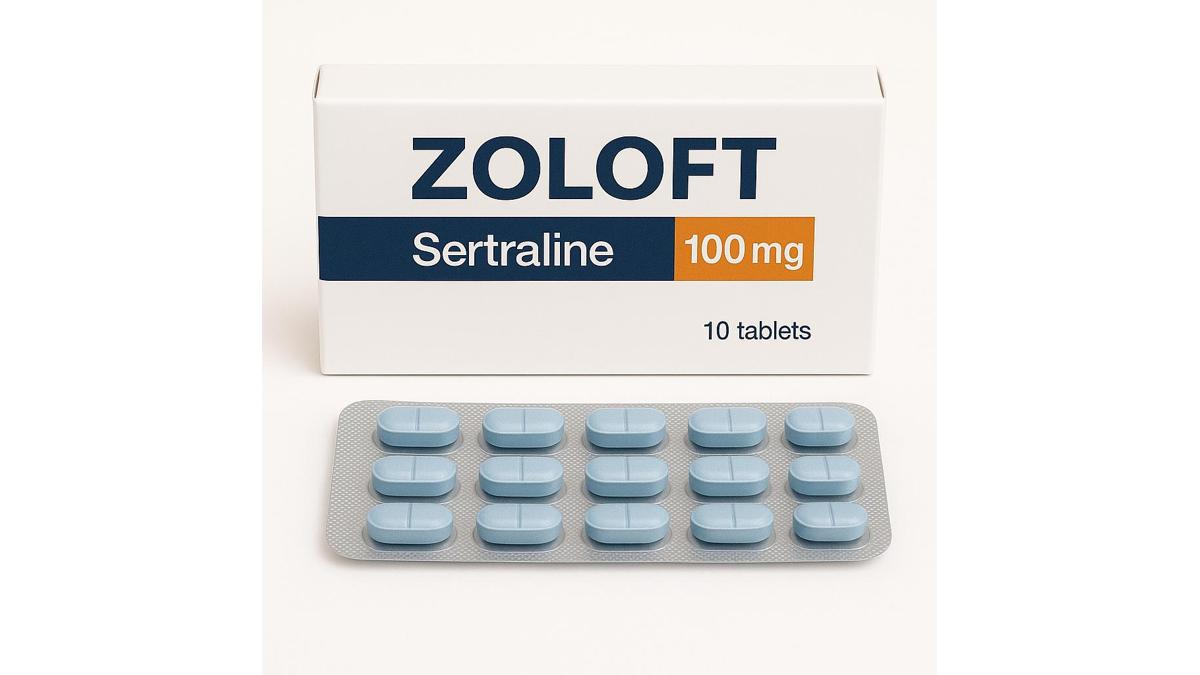
Medication: Zoloft
Active ingredient: Sertraline hydrochloride
Drug class: Selective serotonin reuptake inhibitor (SSRI)
Dosage form: Oral tablets
Tablet strengths: 25 mg, 50 mg and 100 mg
Other formulation: Oral concentrate
Brand manufacturer: Pfizer
Generic availability: FDA-approved sertraline tablets are available from multiple manufacturers
Prescription status: Prescription required in the United States
The image is illustrative. Brand-name Zoloft and approved generic sertraline tablets may differ in appearance, packaging and inactive ingredients.
How Sertraline Affects Serotonin Signaling
Serotonin is a neurotransmitter involved in communication between nerve cells. After serotonin is released into the space between neurons, specialized transporter proteins normally carry some of it back into the releasing cell. As a selective serotonin reuptake inhibitor (SSRI), sertraline blocks much of this reuptake, increasing the availability of serotonin for signaling between nerve cells.
This biochemical effect begins relatively quickly, but symptom improvement usually takes longer. Changes in neuronal signaling and the way brain networks respond to ongoing treatment appear to contribute to the therapeutic effect. The mechanism should not be simplified to the idea that depression is caused by a measurable serotonin deficiency that one tablet immediately corrects. Mental health conditions involve multiple biological, psychological and environmental factors, and the response to an antidepressant cannot be predicted from serotonin levels alone.
Sertraline does not act as a conventional sedative or produce immediate relief from a panic attack. It is taken regularly to reduce symptoms over time.
Sertraline 100 mg Tablets
Each tablet contains sertraline hydrochloride equivalent to 100 mg of sertraline. This strength may be used when a higher prescribed daily dose is needed after assessment of response and tolerability. It is not automatically the most effective dose for every patient.
The appropriate daily amount depends on the indication and prescription. Higher doses require individualized evaluation.
Sertraline 50 mg Tablets
This strength is a common starting dose for adults with major depressive disorder or obsessive-compulsive disorder. It is also used in other treatment plans, including after an initial period at a lower dose for selected conditions.
Starting doses and subsequent adjustments differ by diagnosis and age.
Sertraline 25 mg Tablets
The 25 mg strength is commonly used when treatment begins at a lower dose, including for panic disorder, PTSD and social anxiety disorder. It is also the labeled starting dose for children aged 6 to 12 years being treated for OCD.
A lower starting strength can improve tolerability but does not remove the need for safety monitoring.
What Conditions Does Zoloft Treat?
The FDA-approved uses of Zoloft cover six distinct psychiatric or mood-related conditions. Each diagnosis has its own symptoms, treatment goals and recommended starting dose. Sertraline is also prescribed for certain conditions outside its formal U.S. indications, but those uses should not be confused with FDA approval.
Depression and Obsessive-Compulsive Disorder
Zoloft for depression is used in adults diagnosed with major depressive disorder (MDD). Depression can involve persistent low mood, loss of interest in activities, changes in sleep or appetite, impaired concentration and feelings of hopelessness. The condition can also affect physical energy and everyday functioning. Treatment is intended to reduce these symptoms and support recovery, not simply produce a short-lived improvement in mood.
Some people begin to experience improvement in sleep, appetite or daily functioning before a clear change in their overall mood. Others notice little early benefit. Antidepressant treatment is usually assessed over several weeks, and psychotherapy may be recommended alongside medication. The choice depends on the severity of depression, previous treatment, patient preferences and other clinical factors.
Obsessive-compulsive disorder (OCD) is another approved indication. OCD involves intrusive, unwanted thoughts or images and, in many cases, repetitive actions or mental rituals intended to relieve distress. Sertraline can help reduce the intensity of obsessive symptoms and the pressure to perform compulsions. Exposure and response prevention, a specialized form of cognitive behavioral therapy, is also an important evidence-based treatment.
The pediatric indication requires particular accuracy. Sertraline is FDA-approved for OCD in children and adolescents aged 6 through 17 years. Its effectiveness and safety for treating other psychiatric conditions in children have not been established in the Zoloft labeling, even though clinicians may sometimes consider off-label treatment after an appropriate assessment.
Panic Disorder, PTSD and Social Anxiety Disorder
Panic disorder involves recurrent panic attacks and continuing concern about another attack or changes in behavior intended to avoid one. An attack may bring sudden intense fear together with palpitations, sweating, trembling, dizziness or a sensation of being unable to breathe. Sertraline is used to reduce the frequency and severity of panic symptoms over time; it is not an emergency medication for ending an attack that is already happening.
Post-traumatic stress disorder (PTSD) can develop after exposure to a traumatic event and may involve intrusive memories, nightmares, avoidance, heightened alertness and changes in mood or thinking. Zoloft is one of the medications approved for PTSD in adults. Trauma-focused psychotherapy remains an important treatment option, and medication may be considered based on clinical circumstances and patient preferences.
In social anxiety disorder, fear of scrutiny, embarrassment or negative evaluation can interfere with ordinary activities such as speaking in meetings, attending social events or interacting with unfamiliar people. The condition is more persistent and disabling than occasional shyness. Sertraline can reduce symptoms, although psychological treatment may be used alone or alongside medication.
Generalized anxiety disorder is not among Zoloft’s six FDA-approved indications. Sertraline is sometimes prescribed for it off-label, with the decision based on clinical evidence and an individualized treatment plan.
Premenstrual Dysphoric Disorder
Premenstrual dysphoric disorder (PMDD) is a severe cyclical condition involving mood and physical symptoms associated with the menstrual cycle. Marked irritability, mood changes, anxiety or depressed mood can appear during the days before menstruation and substantially interfere with relationships, work or daily life. The symptoms generally improve after menstruation begins. PMDD is different from ordinary premenstrual discomfort in its severity and functional impact.
Sertraline has a distinctive role in PMDD because it can be prescribed either continuously or during the luteal phase of the menstrual cycle, depending on the treatment plan. These approaches have different maximum labeled doses. Symptom tracking across menstrual cycles can help establish the diagnosis and assess whether treatment is effective.
A patient should not switch between daily and intermittent dosing without medical instructions.
Zoloft 25 mg, 50 mg and 100 mg: Dosage and Treatment
Zoloft dosage is determined by the condition being treated, patient age, response and tolerability. The same tablet strength may be used at different stages of therapy, and a higher dose does not necessarily produce better results. The official U.S. prescribing information provides different starting doses and maximum daily amounts for certain conditions.
| FDA-approved indication | Starting dose | Maximum labeled dose |
|---|---|---|
| Major depressive disorder, adults | 50 mg daily | 200 mg daily |
| OCD, adults | 50 mg daily | 200 mg daily |
| OCD, ages 6 to 12 | 25 mg daily | 200 mg daily |
| OCD, ages 13 to 17 | 50 mg daily | 200 mg daily |
| Panic disorder, PTSD, social anxiety disorder in adults | 25 mg daily | 200 mg daily |
| PMDD, continuous dosing | 50 mg daily | 150 mg daily |
| PMDD, luteal-phase dosing | 50 mg daily during the luteal phase | 100 mg daily during the luteal phase |
These are labeled U.S. dosing parameters, not personal treatment instructions. Maximum doses do not indicate a recommended target for every patient. PMDD dose adjustments follow separate labeling instructions.
The difference between Zoloft 25 mg, Zoloft 50 mg and Zoloft 100 mg is the amount of sertraline in each tablet. For many adults treated for depression, 50 mg is the recommended starting dose. For panic disorder, PTSD and social anxiety disorder, treatment generally begins at 25 mg daily before a clinician considers increasing it. Starting with less medication may reduce early adverse effects in some patients, although it does not guarantee that side effects will be avoided.
During treatment for depression, OCD and the approved anxiety-related conditions, the labeling allows increases of 25 to 50 mg at intervals of at least one week when the response is inadequate and the medicine is tolerated. Increasing the dose more quickly is not necessarily beneficial. The time needed to evaluate a change and the risk of adverse effects both matter.
Taking Sertraline and Adjusting the Dose
Sertraline tablets are generally taken once daily, in the morning or evening, with or without food. Keeping a consistent time can make regular treatment easier. A patient who experiences insomnia may find morning dosing more suitable, while someone who becomes sleepy may discuss evening dosing with the prescriber. These are practical considerations rather than separate treatment regimens.
If a dose is missed, MedlinePlus advises taking it when remembered unless the next scheduled dose is nearly due. In that situation, the missed dose should be skipped. Two doses should not be taken together.
Liver function is particularly important because sertraline is extensively metabolized by the liver. For mild hepatic impairment, the U.S. label recommends reducing both the starting and maximum dose to half the usual recommendation. Use in moderate or severe hepatic impairment is not recommended. By contrast, the label does not generally require adjustment solely because of renal impairment, although the patient’s overall medical condition still matters.
Before treatment begins, clinicians should also assess for a personal or family history of bipolar disorder. Antidepressants can precipitate mania or hypomania in susceptible patients, making an accurate diagnosis essential.
How Long Does Zoloft Take to Work?
Sertraline begins affecting serotonin reuptake soon after treatment starts, but improvement in depression or anxiety symptoms is usually gradual. Some patients notice early changes in sleep, appetite or their ability to manage daily activities within the first few weeks. More substantial improvement may take several additional weeks, and the time course differs between depression, OCD and anxiety-related conditions.
It is common to reassess treatment after several weeks rather than conclude that the medication has failed because symptoms remain after the first few tablets. For many patients, a meaningful assessment takes approximately four to eight weeks, with some conditions and individual responses requiring longer. OCD can be particularly slow to respond. The appropriate evaluation period also depends on whether the patient has reached and tolerated a therapeutic dose.
Early side effects and therapeutic benefit do not always develop together.
Nausea or sleep disturbance may occur before a patient notices any improvement in mood. Conversely, feeling slightly better in the first week does not mean that the full benefit has been achieved. Follow-up is useful both for assessing symptoms and for identifying adverse effects that could affect continued treatment.
If the response remains inadequate after a suitable trial, the clinician may reconsider the diagnosis, adherence, dose, psychotherapy options or another medication. A patient should not independently increase sertraline to accelerate its effects.
Zoloft Side Effects and Important Safety Warnings
Most people starting sertraline will not experience every adverse effect listed in its prescribing information. Nevertheless, Zoloft side effects can influence whether treatment is tolerable, and some reactions require urgent assessment. Gastrointestinal symptoms and sleep changes are relatively familiar during early treatment, while severe mood changes, serotonin syndrome and certain other complications are less common but clinically important.
Common Side Effects and Sexual Dysfunction
Nausea, diarrhea, reduced appetite, dry mouth, sweating, tremor and sleep disturbances are among the adverse reactions reported with sertraline. Some patients feel more tired or sleepy, while others experience insomnia or restlessness. These effects may improve as treatment continues, but there is no guarantee that every symptom will disappear after a few weeks.
Sexual side effects deserve particular attention because patients may find them difficult to raise during an appointment. SSRIs can cause reduced sexual desire, delayed ejaculation, difficulty reaching orgasm or other changes in sexual function. These effects may occur even when depression or anxiety is improving. Their impact varies, and some persist during treatment. A clinician may consider changing the dose, reviewing other causes or discussing an alternative medication when they substantially affect quality of life.
Changes in appetite and body weight are also possible. Some people gain weight over time, while others experience little change or lose weight, particularly when nausea or reduced appetite is prominent. Weight changes can also reflect recovery from depression or other health factors, so they should not automatically be attributed to the medicine alone.
Sertraline is not expected to impair everyone in the same way. However, someone experiencing dizziness, sleepiness or impaired concentration should avoid driving or operating machinery until they understand how the medication affects them.
Suicidal Thoughts and Behavioral Changes
The FDA requires a boxed warning for antidepressants, including Zoloft, about an increased risk of suicidal thoughts and behaviors in children, adolescents and young adults. This risk deserves particular attention during the first months of treatment and after changes in dose. It does not mean that every person taking sertraline becomes suicidal, nor does it eliminate the risks associated with untreated depression. The warning emphasizes the need to recognize concerning changes early.
Symptoms that warrant prompt attention include a sudden worsening of depression, new or intensified suicidal thoughts, unusual agitation, marked restlessness, impulsive behavior or abrupt changes in mood and behavior. Family members or other trusted people may notice these developments before the patient does.
New suicidal thoughts or a marked deterioration in mental state require immediate clinical attention. If there is an immediate danger of self-harm, seek emergency assistance.
The prescribing clinician should assess how symptoms change over time rather than considering the absence of physical side effects sufficient evidence that treatment is progressing safely.
Serotonin Syndrome and Other Serious Reactions
Serotonin syndrome is a potentially life-threatening reaction associated with excessive serotonergic activity. It can occur during treatment with a serotonergic medicine alone, but the risk is particularly important when medications with similar effects are combined. Symptoms may include agitation, confusion, fever, sweating, diarrhea, tremor, muscle rigidity and unusually brisk reflexes. Severe cases can involve dangerously high body temperature, seizures or cardiovascular instability.
Suspected serotonin syndrome requires emergency medical assessment.
Other important warnings involve bleeding, low sodium levels and the possible activation of mania or hypomania. Sertraline can increase bleeding risk, particularly when used with aspirin, nonsteroidal anti-inflammatory medicines or anticoagulants. Unusual bruising, gastrointestinal bleeding or other unexplained bleeding should not be ignored.
Hyponatremia, or abnormally low blood sodium, can occur during SSRI treatment and may be associated with the syndrome of inappropriate antidiuretic hormone secretion. Older adults, patients taking diuretics and those with certain other risk factors may be more susceptible. Symptoms range from headache, weakness or confusion to severe neurological complications when sodium falls substantially.
Sertraline also requires caution in patients with seizure disorders, untreated anatomically narrow eye angles or risk factors for QT prolongation. Patients who develop an unusually elevated or irritable mood, greatly reduced need for sleep, racing thoughts or markedly impulsive behavior should be evaluated for possible mania or hypomania.
Zoloft Drug Interactions and Special Precautions
A medication review is important before starting or changing sertraline. Some drug combinations are contraindicated, while others may be appropriate only with careful monitoring. The risk depends not just on the number of medicines taken, but on their mechanisms, doses and the patient’s medical history.
Sertraline must not be taken together with monoamine oxidase inhibitors (MAOIs), or within the required separation period after stopping one. The label generally requires at least 14 days between MAOI and sertraline treatment in the relevant direction, with drug-specific considerations for agents such as linezolid or intravenous methylene blue. Pimozide is also contraindicated because of the potential for serious cardiac adverse effects. The oral concentrate formulation has an additional contraindication with disulfiram because the concentrate contains alcohol; that restriction is specific to the liquid formulation.
Other medications and substances requiring review include:
- Other serotonergic medicines: Certain antidepressants, tramadol, some migraine medications and St. John’s wort may increase the risk of serotonin syndrome.
- Aspirin, NSAIDs and anticoagulants: These can increase the risk of bleeding when used with sertraline.
- Medicines metabolized by CYP2D6: Sertraline can affect the exposure of certain medications processed through this enzyme.
- Medicines associated with QT prolongation: Additional care may be required in patients with other cardiac risk factors.
The combination of Zoloft and alcohol is best avoided. Alcohol can worsen impaired judgment, sleep problems, dizziness or symptoms of depression and anxiety. It should not be described as chemically neutralizing sertraline, but drinking can complicate both treatment and assessment of recovery.
Pregnancy and breastfeeding require individualized consideration. Available data do not establish that first-trimester sertraline exposure consistently increases the overall risk of major birth defects. However, use late in pregnancy may be associated with newborn adaptation symptoms and an increased risk of persistent pulmonary hypertension of the newborn. Maternal bleeding risks near delivery are also relevant. At the same time, untreated or recurrent depression may carry substantial risks for the pregnant patient and baby. A patient who becomes pregnant should discuss the benefits and risks of continued treatment rather than stop sertraline suddenly.
Sertraline passes into breast milk in small amounts, and infant exposure is generally low. Whether to continue it during breastfeeding depends on the clinical situation, the infant’s health and the need for maternal treatment.
Stopping Zoloft and Managing Withdrawal Symptoms
Sertraline is not considered an addictive drug in the same sense as opioids or certain sedative medicines. It does not typically produce intoxication or the pattern of compulsive drug-seeking associated with substance addiction. However, regular treatment can lead to physiological adaptation, and abruptly stopping the medication may produce significant symptoms.
Zoloft withdrawal, also called antidepressant discontinuation syndrome, can involve dizziness, nausea, headache, sweating, irritability, anxiety, disturbed sleep and unusual sensory sensations. Some people describe brief electric-shock-like feelings, particularly when moving their eyes or head. Symptoms vary widely in intensity and duration. They may appear after sudden discontinuation, missed doses or a substantial dose reduction, and they are not always limited to a few days.
These symptoms can sometimes resemble a return of the original condition. The timing after a medication change, the nature of the symptoms and the patient’s clinical history help distinguish discontinuation effects from relapse, although the distinction is not always straightforward.
The prescribing information recommends gradual dose reduction whenever possible. A tapering plan may need to proceed more slowly after long-term treatment or in someone who develops substantial symptoms during a previous reduction. There is no single schedule appropriate for everyone.
Stopping treatment also raises the question of whether depression or another condition is likely to recur. Some patients continue medication for months after improvement, while others require longer maintenance treatment. The decision should reflect the history of illness, previous episodes, treatment response and patient preferences rather than a fixed assumption that medication must be lifelong or can always stop after a short course.
Do not stop or change sertraline abruptly without discussing the plan with the prescribing clinician.
Medical Disclaimer
This article provides general medical information about Zoloft (sertraline), its approved uses, dosing principles, adverse reactions and precautions. It does not diagnose a psychiatric disorder, recommend a dose for an individual patient or replace care from a qualified healthcare professional.
Sertraline treatment and discontinuation should be planned with the prescriber. Suicidal thoughts with immediate danger, suspected serotonin syndrome, seizures or another serious reaction require emergency medical attention.
Frequently Asked Questions About Zoloft
How long does Zoloft take to work?
Some people notice early improvement during the first few weeks, but a fuller response commonly takes several weeks and may require six to eight weeks or longer. The time varies by diagnosis, dose and individual response. OCD may need a longer treatment period before its benefit can be assessed adequately.
Can you drink alcohol while taking Zoloft?
Avoiding alcohol is recommended during sertraline treatment. Alcohol may worsen dizziness, judgment, sleep disturbance and depression or anxiety symptoms. It does not simply cancel out the medication, but it can make treatment less safe and recovery harder to assess.
Does Zoloft cause weight gain?
Some patients gain weight during treatment, while others notice little change or temporary weight loss. Appetite, activity, duration of treatment and improvement in the underlying illness can all affect weight. Persistent or substantial changes should be discussed with the prescriber.
Is Zoloft addictive?
Sertraline is not generally considered addictive, but physical adaptation can occur. Abrupt discontinuation may cause dizziness, nausea, anxiety, sleep disturbances and other symptoms. These reactions do not by themselves indicate substance addiction, and gradual reduction is usually recommended.
What happens if you stop sertraline suddenly?
Stopping suddenly can cause antidepressant discontinuation symptoms, sometimes including electric-shock-like sensations, dizziness, nausea, irritability and insomnia. Symptoms can vary in duration and severity. A clinician can develop an individualized tapering plan and monitor for recurrence of the condition being treated.
Can Zoloft be used to treat anxiety disorders?
Yes. Zoloft is FDA-approved for panic disorder, social anxiety disorder and PTSD in adults. It is also sometimes used off-label for generalized anxiety disorder. The diagnosis determines the treatment approach, and not every anxiety-related condition has the same approved starting dose.
Related Mental Health and Antidepressant Information
For more background on antidepressant treatment, see Zoloft (Sertraline) as a Selective Serotonin Reuptake Inhibitor. The broader article Best SSRI Antidepressants 2026 discusses several medications within the same class, while the Lexapro (Escitalopram) page provides information about another SSRI used in depression and anxiety treatment.
These medicines can share a mechanism without being interchangeable. Previous treatment response, adverse effects, interactions and the diagnosed condition all influence antidepressant selection.
Medical References
Pharmacist Review of Zoloft Information
The previously published version of this medication page included a pharmacist review attribution to Kari Quickenden, Pharm.D., RPh. That attribution is retained below in its original visual format.
Kari Quickenden, Pharm.D., RPh.
The original page does not specify a pharmacist review date. Retaining this attribution does not establish that the present editorial revision has undergone a new independent pharmacist review.
Article Update: October 23, 2026
This article was editorially updated on October 23, 2026, with reference to current U.S. prescribing information. The revision clarifies Zoloft’s six approved indications, diagnosis-specific starting doses and maximum daily doses, and the distinction between the labeled pediatric use for OCD and other off-label pediatric prescribing.
2026 labeling update: On September 23, 2026, DailyMed updated the listing for sertraline hydrochloride tablets distributed by RemedyRepack Inc. The prescribing information is marked as revised in July 2026 and covers 25 mg, 50 mg and 100 mg tablets. It continues to include the FDA boxed warning about suicidal thoughts and behaviors in younger patients, along with established warnings concerning serotonin syndrome, bleeding risk, mania or hypomania, and discontinuation symptoms.
This update concerns the labeling record of a generic sertraline product. It does not represent a new FDA approval of Zoloft or indicate that the listed safety risks were first discovered in September 2026.