
Neurontin Strengths,Forms and Current Pharmacy Price Options
Neurontin is the brand name for gabapentin, an FDA-approved prescription anticonvulsant used for postherpetic neuralgia and certain partial-onset seizures. Patients comparing Neurontin prices should distinguish the 100, 300 and 400 mg capsule strengths from the 600 and 800 mg tablet strengths before submitting a pharmacy request.
Sweetwater Medical Center accepts the medication request and routes it through the pharmacy-assignment system. An eligible licensed partner pharmacy is assigned according to the patient’s ZIP code, applicable pharmacy licensing, prescription information, service coverage and product availability. The assigned pharmacy validates the prescription, determines the available Neurontin or eligible gabapentin product, confirms manufacturer, dosage form, quantity and final price, and remains responsible for dispensing and shipping.
Neurontin / Gabapentin Product Details
| Medication | Neurontin |
|---|---|
| Active ingredient | Gabapentin |
| Drug class | Anticonvulsant |
| Capsule forms | 100 mg, 300 mg, 400 mg |
| Tablet forms | 600 mg, 800 mg |
| Brand manufacturer | Parke-Davis / Pfizer labeling; actual product confirmed by dispensing pharmacy |
| Generic option | Gabapentin products are available from multiple manufacturers |
| NDC | Depends on strength, dosage form and manufacturer dispensed |
| Prescription status | Prescription required |
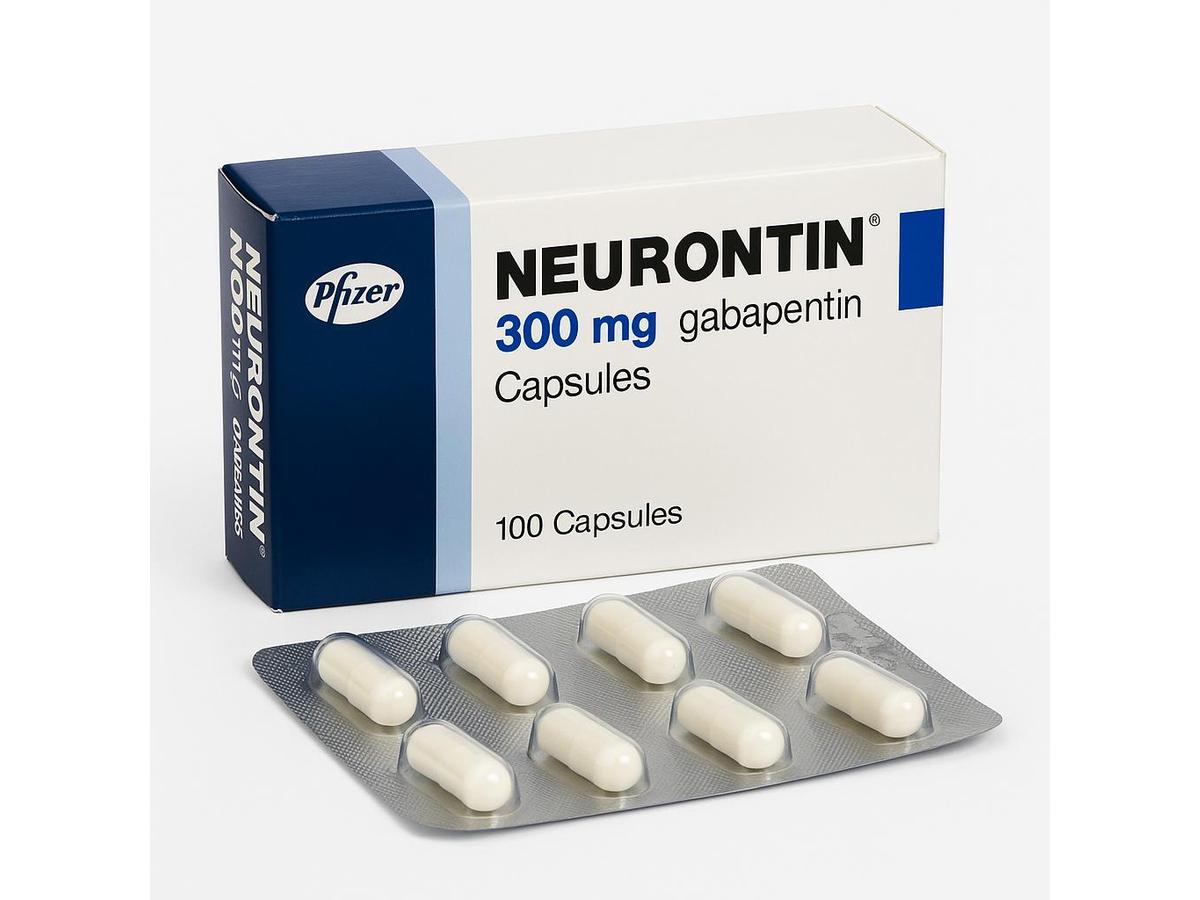
The image illustrates a 300 mg Neurontin presentation. Capsule or tablet appearance, manufacturer, package and NDC can differ according to the actual finished product supplied by the assigned pharmacy.
Gabapentin 100–800 mg – Displayed 60-Unit Price Options
The original page included multiple quantities for each strength. The table below uses one comparable 60-unit option for each displayed strength so patients can evaluate differences without navigating five separate bulk-price tables.
| Strength / form | Package | Approximate price | Per unit |
|---|---|---|---|
| 100 mg capsule | 60 capsules | $51.95 | $0.87 |
| 300 mg capsule | 60 capsules | $84.03 | $1.40 |
| 400 mg capsule | 60 capsules | $107.99 | $1.80 |
| 600 mg tablet | 60 tablets | $163.33 | $2.72 |
| 800 mg tablet | 60 tablets | $193.13 | $3.22 |
These are approximate displayed order amounts derived from the existing Sweetwater price options. The assigned pharmacy confirms whether the available product is brand-name Neurontin or generic gabapentin, along with dosage form, manufacturer, quantity, stock and final price.
Patients may provide an existing prescription, request an eligible prescription transfer or select a $20 online medical consultation with Cody R. Christensen, DO, where available. A consultation does not guarantee that Neurontin, gabapentin or another medication will be prescribed.
Prescription and account information is handled according to the Sweetwater Medical Center Privacy Statement.
What Neurontin Is Used For
Neurontin is FDA-approved for postherpetic neuralgia in adults and as adjunctive therapy for partial-onset seizures, with or without secondary generalization, in adults and pediatric patients with epilepsy.
Postherpetic neuralgia is persistent nerve pain that can remain after shingles. Gabapentin changes signaling within the nervous system and can reduce this type of neuropathic pain, although it does not eliminate the underlying nerve injury.
For epilepsy, Neurontin is used as an additional treatment for partial-onset seizures rather than as a general treatment for every type of seizure disorder. The dose and frequency depend on indication, age, kidney function and clinical response.
Neurontin 300 mg Capsules vs 600 and 800 mg Tablets
The strength of Neurontin is tied to its dosage form. The branded product is supplied as 100 mg, 300 mg and 400 mg capsules, while the higher 600 mg and 800 mg strengths are film-coated tablets.
This distinction matters when comparing Neurontin 300 mg with higher-strength pharmacy listings. An 800 mg tablet is not simply a larger version of a Neurontin capsule; it is a different dosage form with its own NDC and product labeling.
Patients should therefore compare the prescription by strength and dosage form rather than selecting a higher milligram option based on price per unit.
Brand Neurontin or Generic Gabapentin: What Will the Pharmacy Dispense?
Generic Neurontin refers to FDA-approved gabapentin products containing the same active ingredient. Generic products are available from multiple manufacturers and may differ from the branded product in appearance, inactive ingredients, package and NDC.
The prescription, substitution rules, pharmacy inventory and patient or prescriber preference determine whether brand-name Neurontin or an eligible generic gabapentin product is ultimately dispensed.
This distinction is commercially important because the price displayed for a gabapentin request should not automatically be interpreted as the cash price of Pfizer-branded Neurontin. The assigned pharmacy confirms the actual finished product before fulfillment.
Why Gabapentin Prices Change by Strength, Form and Quantity
The gabapentin price can vary because 100–400 mg products are generally capsules while 600 and 800 mg Neurontin products are tablets. Manufacturer, brand versus generic status, quantity and dispensing pharmacy can also change the final cash amount.
The original Sweetwater page included quantities ranging from 30 to 360 units depending on strength. For a prescription medication used chronically, quantity should follow the prescription and pharmacy fulfillment rules rather than being selected only because a larger package has a lower displayed per-unit price.
How a Neurontin or Gabapentin Prescription Is Processed
Patients seeking gabapentin prescription access can submit the requested strength and prescription information through the Sweetwater order pathway. Product selection and dispensing remain with the licensed pharmacy assigned to the patient.
Choose the Prescribed Gabapentin Strength and Form
Select the strength that corresponds to the prescription and confirm whether the request concerns a capsule or tablet formulation.
Provide Prescription Information and ZIP Code
Submit an existing prescription, request an eligible prescription transfer or select an available medical consultation when a new clinical assessment is required.
The Request Is Matched to an Eligible Licensed Pharmacy
The patient’s location, pharmacy licensing, prescription requirements and service coverage are used to identify an eligible dispensing pharmacy.
Brand or Generic Product and Final Price Are Confirmed
The assigned pharmacy validates the prescription, confirms the strength and dosage form, identifies the available Neurontin or gabapentin product, verifies stock and final price, and provides applicable fulfillment options.
Gabapentin Dosing for Postherpetic Neuralgia and Partial-Onset Seizures
Gabapentin dosing differs significantly by indication. For postherpetic neuralgia, the Neurontin label describes gradual titration beginning with 300 mg and increasing according to response and tolerability. Epilepsy regimens generally use divided daily doses.
| Clinical factor | Why it matters | Prescribing implication |
|---|---|---|
| Indication | PHN and epilepsy use different dosing strategies | The prescription must reflect the condition being treated |
| Kidney function | Gabapentin is eliminated through the kidneys | Dose or dosing interval may require adjustment |
| Age | Renal clearance and seizure dosing can differ by patient group | Individualized prescribing is required |
| Tolerability | Dizziness and somnolence can limit dose escalation | Gradual titration may be appropriate |
Patients should not change between capsule strengths, tablet strengths or different gabapentin formulations without following the prescription and pharmacist instructions.
Why Kidney Function Can Change a Gabapentin Prescription
Gabapentin is eliminated primarily through renal excretion, making kidney function particularly important when selecting the dose and dosing interval. Reduced renal clearance can increase exposure to the medication.
Patients with impaired kidney function may therefore require a lower total daily dose, a longer interval between doses or another individualized regimen. This is one reason a gabapentin online prescription should not be based solely on the strength a patient previously used.
Drowsiness, Dizziness and Respiratory Depression With Neurontin
Somnolence, dizziness and problems with coordination are among the clinically important adverse effects associated with gabapentin. Patients should understand how the medication affects them before driving or performing activities that require full alertness.
Gabapentin can also contribute to serious respiratory depression, particularly in patients with respiratory risk factors or when it is combined with medicines that depress the central nervous system.
- Tell the prescriber about opioids, sedatives and other medicines that can cause drowsiness or slow breathing.
- Older adults and patients with underlying respiratory impairment may require additional caution.
- Alcohol or other substances that worsen sedation can impair alertness and coordination.
- Severe sleepiness, unusual confusion or slowed or difficult breathing requires prompt medical evaluation.
Why Neurontin Should Not Be Stopped Suddenly
Gabapentin treatment should generally be reduced gradually rather than discontinued abruptly. Sudden discontinuation can produce withdrawal symptoms, and patients taking Neurontin for epilepsy may experience an increase in seizure frequency.
The official prescribing information recommends gradual discontinuation over at least one week when Neurontin is reduced, discontinued or replaced with another medication, although an individual patient may require a different schedule.
Patients should not stop or rapidly reduce gabapentin on their own, particularly when it is being used for seizure control.
Antacids, Opioids and Other Gabapentin Interaction Considerations
Gabapentin has fewer metabolic drug interactions than many medications, but several combinations remain clinically important.
- Aluminum- and magnesium-containing antacids can reduce gabapentin bioavailability and may need to be separated from a dose.
- Opioids and other central nervous system depressants can increase sedation and respiratory-depression risk.
- Morphine can increase gabapentin exposure in some patients.
- Patients should provide the prescriber and pharmacist with a complete list of prescription medicines, over-the-counter products and supplements.
Medical Disclaimer
This page provides general information about Neurontin, gabapentin, pharmacy pricing, prescription access and medication safety. It does not diagnose neuropathic pain or epilepsy, determine an individual gabapentin dose or replace assessment and monitoring by a qualified healthcare professional.
An online consultation does not guarantee that Neurontin or gabapentin will be prescribed. Patients should not change dosage form, strength, dosing frequency or discontinue gabapentin without medical guidance. Severe breathing difficulty, loss of consciousness, serious allergic symptoms or worsening seizures require urgent medical care.
Frequently Asked Questions About Neurontin and Gabapentin
How much does Neurontin 300 mg cost?
The approximate price for the displayed 300 mg / 60-capsule option appears in the comparison table above. The assigned pharmacy confirms whether brand Neurontin or generic gabapentin is available and provides the final price.
Can I get generic Neurontin instead of the brand?
Generic gabapentin products are widely available. Whether the pharmacy substitutes a generic product depends on the prescription, applicable pharmacy rules and available inventory.
Where can I fill a gabapentin prescription online?
A prescription request can be submitted through the Sweetwater pharmacy pathway and routed to an eligible licensed pharmacy. The dispensing pharmacy validates the prescription and confirms product availability.
Are Neurontin 300 mg capsules or tablets?
Brand-name Neurontin 300 mg is supplied as a capsule. The branded 600 mg and 800 mg strengths are tablets.
Do I need a prescription for Neurontin or gabapentin?
Yes. Neurontin and gabapentin are prescription medications in the United States. Prescription and pharmacy requirements can also vary according to applicable state law and dispensing rules.
Related Neuropathic Pain and Medication Safety Information
Medical References
Pharmacist Review of Neurontin and Gabapentin Information
The information on this page, including Neurontin indications, gabapentin capsule and tablet strengths, prescription requirements, dosage-form differences, renal dosing considerations, adverse effects, respiratory-depression risk, discontinuation precautions and relevant drug interactions, was reviewed by Veronica K. Donaldson, PharmD, Pharmacist — Wyoming Pharmacist License 2669; NPI 1003968520.
This pharmacist review applies to the published medication information and does not approve an individual Neurontin or gabapentin prescription or pharmacy order. The assigned pharmacy remains responsible for validating the prescription, identifying the available finished product, confirming strength, dosage form, manufacturer, inventory and final price, and dispensing and shipping the medication.
Last pharmacist review: 08.11.2026.