
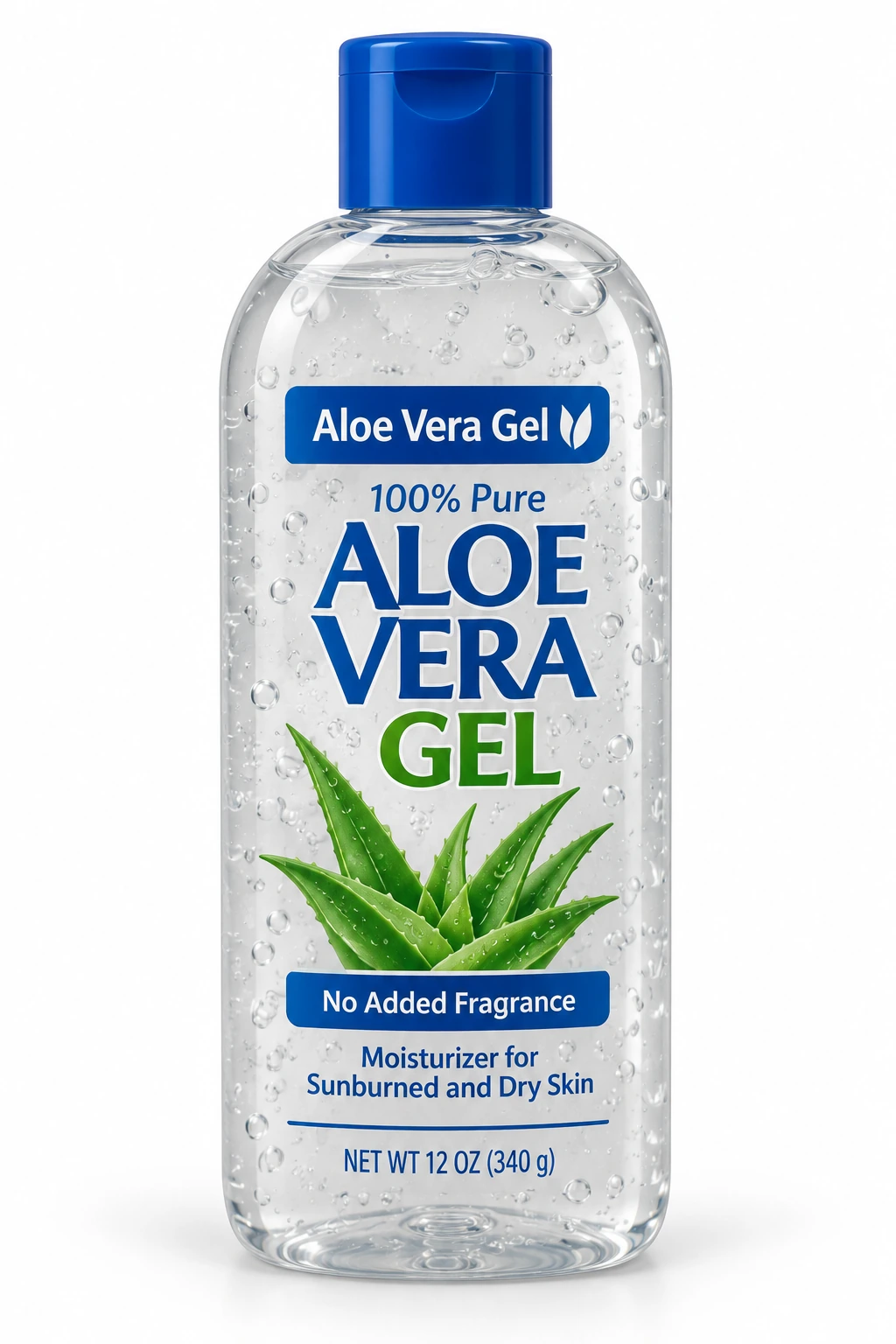
| Brand | Fruit of the Earth |
| Manufacturer | Fruit of the Earth, Inc. |
| Product Type | Aloe vera moisturizing skin gel |
| Key Ingredient | Aloe barbadensis leaf juice |
| Other Ingredients | Triethanolamine, tocopheryl acetate, carbomer, tetrasodium EDTA, DMDM hydantoin and diazolidinyl urea |
| Texture | Clear, non-oily gel |
| Fragrance | No added fragrance |
| Alcohol | Alcohol-free formula |
| Color Additives | No added color |
| Package | 12 oz (340 g) bottle |
| Primary Purpose | Moisturizing and soothing dry or sun-exposed skin |
| Application | Apply as needed |
Cooling Aloe Vera Gel for Dry and Sun-Exposed Skin
Fruit of the Earth Aloe Vera Gel, 12 oz is a lightweight moisturizer made with aloe vera leaf juice. Its non-oily texture provides a cooling sensation and helps soothe skin that feels dry, tight or uncomfortable after sun exposure.
The clear gel spreads easily over larger areas without the heavy finish of a petroleum-based ointment.
Pharmacy Availability
Find pharmacy locations and contact information through the Sweetwater Medical Center pharmacy finder.
When to Use Fruit of the Earth Aloe Vera Gel
Skin can feel unusually warm and tight after a day outdoors, even when there is no serious burn. A cool, easily spreadable gel can make this discomfort less noticeable while providing surface hydration.
Fruit of the Earth describes its aloe gel as suitable for several everyday skin care situations:
- After sun exposure: moisturizing skin that feels hot, dry or mildly irritated.
- Everyday dryness: soothing areas that feel tight or rough after bathing or exposure to dry air.
- Minor skin irritation: providing a cooling sensation after friction or chafing.
- Insect bites: easing discomfort associated with mild, localized irritation.
The gel is intended for comfort and skin care. It does not replace sunscreen, and applying it afterward cannot reverse ultraviolet damage.
Blistering, extensive sunburn, severe pain or symptoms of heat illness require more than a moisturizing product.
What’s Inside the Aloe Vera Formula?
The main botanical ingredient is Aloe barbadensis leaf juice, obtained from the inner portion of aloe vera leaves. The manufacturer describes the aloe as sustainably grown and hand-harvested.
Despite the product’s association with pure aloe, the bottled gel is a formulated cosmetic preparation rather than freshly extracted leaf juice. Additional ingredients keep its texture consistent and help preserve it during storage.
Carbomer gives the liquid ingredients their gel-like structure, while triethanolamine helps adjust the formulation. Tocopheryl acetate is a form of vitamin E used in skin care products. Preservatives such as DMDM hydantoin and diazolidinyl urea help protect the product from microbial contamination.
The absence of added alcohol, fragrance and color makes the formula relatively straightforward, but it does not guarantee that every person will tolerate it. Individuals with sensitive skin or known preservative allergies should review the ingredient list carefully.
How to Apply Aloe Vera Gel
Apply the gel liberally to clean, dry or slightly damp skin as needed. It can be used on the arms, shoulders, legs and other external areas that need lightweight moisturization.
Dispense a small amount into your palm and smooth it over the skin without vigorous rubbing. For larger areas, add more gradually instead of applying a thick layer all at once.
Allow the gel to settle before putting on clothing. Its water-based consistency feels lighter than a rich cream, making it convenient when the weather is warm or heavier skin products feel uncomfortable.
Using the Gel After a Mild Sunburn
First move out of direct sunlight and cool the skin with a cool shower or damp compress. Once the area is comfortable to touch, apply aloe gel gently for moisturizing relief.
Do not rub it into open blisters or extensively damaged skin. If the gel causes stinging or makes irritation worse, rinse it off and discontinue use.
How Aloe Gel Differs From Creams and Petroleum Jelly
Aloe vera gel has a different feel from traditional moisturizers. It spreads in a thin layer, absorbs relatively quickly and leaves less oily residue. This is one reason it is commonly used after sun exposure, when applying a thick ointment may feel unpleasant.
Rich creams usually contain a combination of water, oils and emollients. Petroleum jelly works mainly by creating a strong barrier against water loss. Aloe gel is lighter and may be more comfortable for temporary cooling, but people with very dry or cracked skin may need a more substantial moisturizer.
For ongoing dryness, applying a fragrance-free cream after the aloe gel has dried may provide additional moisture protection.
Safety and Skin Sensitivity
Fruit of the Earth Aloe Vera Gel is for external use only. Avoid contact with the eyes and keep the bottle out of children’s reach.
Some individuals may experience redness, itching or a rash after applying aloe or another ingredient in the formula. Trying a small amount on an unaffected area first can be helpful for people whose skin reacts easily to cosmetic products.
Do not use the gel to treat deep wounds, infected skin or serious burns. Signs such as increasing swelling, spreading redness, pus or severe tenderness warrant medical evaluation.
Aloe gel should also not be relied on as treatment for a significant allergic reaction, persistent unexplained rash or widespread inflammatory skin condition.
Storage and Bottle Care
Keep the bottle closed when not in use and store it in a clean location away from excessive heat and direct sunlight. Do not add water or other substances to the container.
Avoid touching the dispensing opening directly to irritated skin. If the gel changes noticeably in color, consistency or odor, do not continue using it.
The formula may leave marks on some fabrics, so allow it to dry before dressing. Follow the expiration date and any storage directions printed on the bottle.