
Metformin Prices, Available Strengths and Prescription Ordering
Metformin is a prescription medication used primarily for type 2 diabetes. Patients can review the available 500 mg and 850 mg options, compare the displayed metformin price and begin a prescription order through the Sweetwater pharmacy-assignment pathway.
Sweetwater Medical Center accepts the submitted medication request and transmits it through the pharmacy-assignment system. An eligible licensed partner pharmacy is selected according to the patient’s ZIP code, pharmacy licensing, service coverage, prescription details and product availability. The assigned pharmacy validates the prescription, identifies the actual finished product, confirms inventory and final price, and remains responsible for dispensing and shipping.
Metformin Product Details
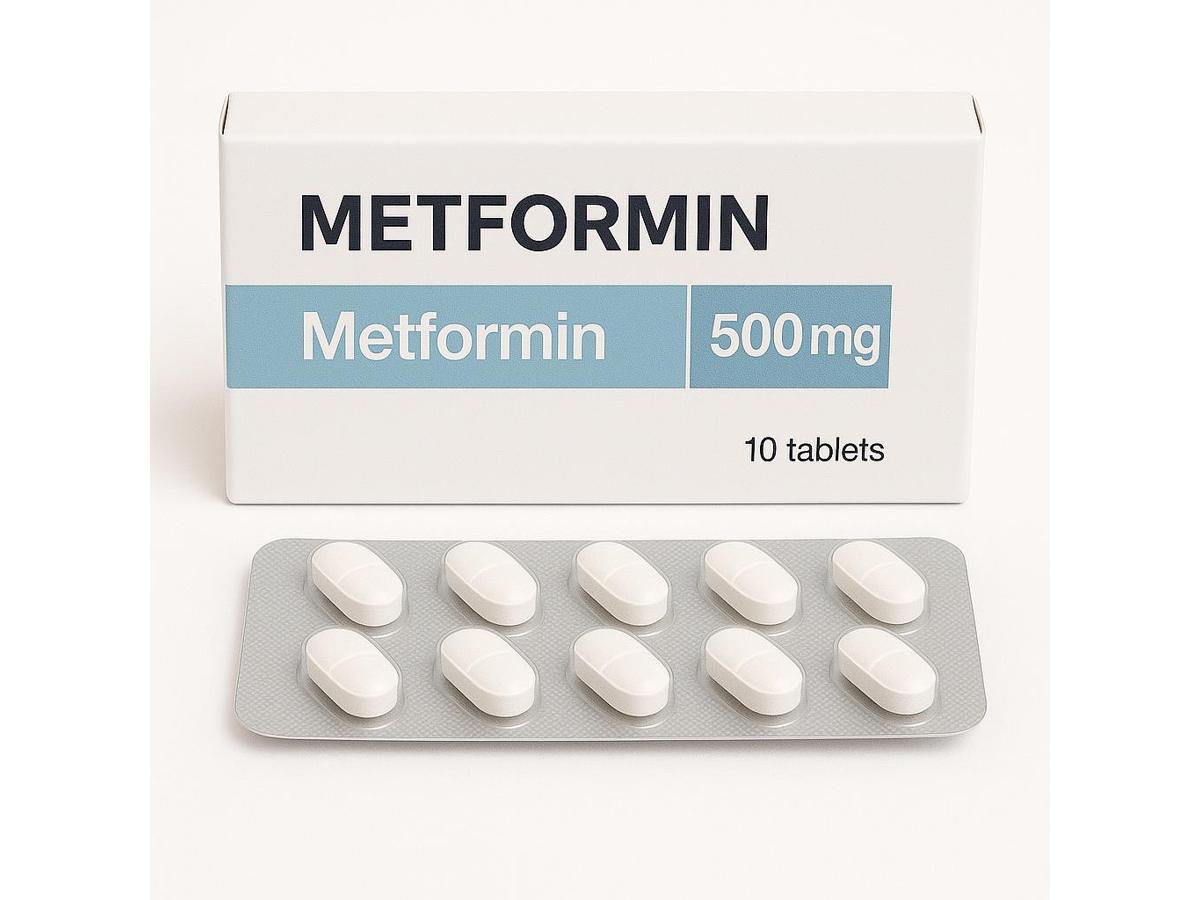
| Medication | Metformin |
|---|---|
| Active ingredient | Metformin hydrochloride |
| Product type | Generic biguanide antidiabetic medication |
| Dosage form | Immediate-release oral tablets |
| Manufacturer | Provided by the assigned dispensing pharmacy |
| Country of manufacture | Provided for the available finished product |
| NDC | Provided for the available finished product, when applicable |
| FDA status | FDA-approved prescription drug |
| Prescription status | Prescription required |
The image is illustrative. The assigned dispensing pharmacy identifies the actual finished product, manufacturer, labeling, package and NDC, when applicable, before dispensing.
Metformin Price Options
The displayed options represent immediate-release metformin tablets. The assigned pharmacy confirms the actual finished product and final price before fulfillment.
| Strength | Package | Approximate price | Per tablet |
|---|---|---|---|
| 500 mg | 90 tablets | $33.58 | $0.37 |
| 850 mg | 60 tablets | $44.89 | $0.75 |
The final amount may vary according to prescription quantity, available manufacturer and pharmacy assigned to fulfill the request.
Patients may submit an existing prescription, request an eligible transfer or select a $20 online medical consultation with Cody R. Christensen, DO, where available. A medical consultation does not guarantee that metformin will be prescribed.
Prescription and account information is handled according to the Sweetwater Medical Center Privacy Statement.
What Metformin Is Used For
Metformin is FDA-approved, together with diet and exercise, to improve blood glucose control in patients with type 2 diabetes mellitus.
Metformin reduces glucose production by the liver and improves the body’s response to insulin. These effects help lower fasting and post-meal blood glucose without directly stimulating insulin release.
Metformin is commonly prescribed as part of long-term type 2 diabetes management and may be used alone or together with other glucose-lowering medicines. Immediate-release and extended-release products are available, and the appropriate formulation is determined by the prescription and individual treatment plan.
How Much Does Metformin Cost Without Insurance?
The metformin cost without insurance depends on strength, quantity, formulation, manufacturer and the pharmacy filling the prescription. Generic metformin is widely available, but cash prices can vary substantially between pharmacy networks and package sizes.
Patients comparing a metformin 500 mg price with 850 mg or extended-release products should use the upper table as an approximate reference only. The assigned pharmacy identifies the actual manufacturer and confirms the final amount before dispensing.
How to Order Metformin Online With a Prescription
Patients who want to buy metformin online with a prescription can submit a request through Sweetwater and provide either an existing prescription or information needed for an eligible prescription pathway.
Choose the Metformin Strength and Package
Select the displayed 500 mg or 850 mg option that corresponds to the prescription and requested quantity.
Provide a Prescription or Request an Online Consultation
Submit an existing prescription, request an eligible prescription transfer or select an available consultation to get metformin prescribed online. The prescribing decision remains with the licensed clinician.
A Licensed Pharmacy Is Assigned for Your Location
The order system uses the patient’s ZIP code, pharmacy licensing and service coverage to identify a partner pharmacy that is eligible to process the request.
The Pharmacy Confirms Stock, Manufacturer and Final Price
The assigned pharmacy validates the prescription, identifies the available finished metformin product, confirms inventory and final price, and provides the applicable dispensing and shipping options.
Generic Metformin and Extended-Release Pharmacy Options
Metformin is widely available as a generic medication. Immediate-release and extended-release formulations contain metformin hydrochloride but differ in release characteristics, dosing schedules and available strengths.
The pharmacy must fill the formulation authorized by the prescription or apply a legally permitted substitution. Manufacturer, tablet appearance, inactive ingredients, package size and NDC can therefore differ even when the active ingredient is metformin.
Metformin 500 mg, 850 mg and 1000 mg Dosage
Immediate-release metformin tablets are available in 500 mg, 850 mg and 1000 mg strengths. The prescribed dose depends on glucose control, kidney function, gastrointestinal tolerability and the patient’s overall diabetes treatment plan.
| Prescribing point | Immediate-release guidance | Important consideration |
|---|---|---|
| Common adult starting dose | 500 mg twice daily or 850 mg once daily | Take with meals |
| Dose titration | Increase gradually according to response and tolerability | Gradual increases can reduce gastrointestinal adverse effects |
| Maximum immediate-release dose | Up to 2550 mg per day in adults | Higher daily doses are divided and require individualized prescribing |
Patients should not change tablet strength or daily dose without guidance from the prescriber.
Kidney Function Requirements Before Filling Metformin
Kidney function must be considered when metformin is prescribed because reduced renal clearance increases metformin exposure and the risk of metformin-associated lactic acidosis.
- Metformin is contraindicated when eGFR is below 30 mL/min/1.73 m².
- Starting metformin is generally not recommended when eGFR is between 30 and 45 mL/min/1.73 m².
- Renal function should be assessed before treatment and periodically during therapy.
- Temporary discontinuation may be required around certain iodinated contrast imaging procedures.
Metformin Side Effects and Lactic Acidosis Warning
Common metformin adverse effects are primarily gastrointestinal and can include diarrhea, nausea, vomiting, abdominal discomfort, gas and indigestion. These effects are often most noticeable when treatment begins or the dose is increased.
Long-term therapy can also reduce vitamin B12 levels in some patients. Periodic monitoring may be appropriate depending on treatment duration and clinical symptoms.
Metformin-associated lactic acidosis is rare but potentially life-threatening. Severe weakness, difficulty breathing, unusual muscle pain, marked drowsiness, persistent abdominal symptoms, hypothermia or hypotension require urgent medical evaluation.
Medical Disclaimer
This page provides general information about metformin, prescription ordering and type 2 diabetes treatment. It does not diagnose diabetes, determine an individual dose or replace laboratory testing and an individualized treatment plan from a qualified healthcare professional.
An online consultation does not guarantee a metformin prescription. Patients should not start, stop or change metformin therapy without medical guidance. Symptoms suggesting lactic acidosis or another serious complication require urgent medical attention.
Frequently Asked Questions About Metformin
Where can I order metformin 500 mg online?
A metformin order can be started through the Sweetwater prescription pathway. An assigned licensed pharmacy validates the prescription and confirms product availability before dispensing.
How much does metformin cost without insurance?
Cash cost depends on strength, quantity, formulation, manufacturer and dispensing pharmacy. Approximate amounts for the displayed options appear in the price table above.
Can I get metformin prescribed online?
An online consultation may be available for eligible patients. A licensed clinician reviews the patient’s information and determines whether metformin should be prescribed.
Can I buy generic metformin without insurance?
A cash-pay prescription may be filled without insurance, subject to prescription requirements and pharmacy availability. The assigned pharmacy confirms the final cash price.
Is metformin ER available through an online pharmacy?
Extended-release metformin may be available when it is authorized by the prescription and stocked by the assigned pharmacy. Immediate-release and extended-release products should not be treated as automatically interchangeable.
Related Metformin and Type 2 Diabetes Information
Medical References
Pharmacist Review of Metformin Prescription and Safety Information
The medication information on this page, including metformin’s indication, available tablet strengths, dosing principles, renal-function requirements, prescription status, common adverse effects, vitamin B12 considerations and lactic acidosis warning, was reviewed by Jeffrey Collins, PharmD, Pharmacist — Wyoming Pharmacist License 3836; NPI 1255701884.
This pharmacist review applies to the published medication information and does not approve an individual metformin prescription or pharmacy order. The assigned pharmacy remains responsible for validating the prescription, identifying the available finished product, confirming inventory and final price, and dispensing and shipping the medication.
Last pharmacist review: 08.11.2026.