Generic Cialis Online 20mg, 5mg, 2.5mg

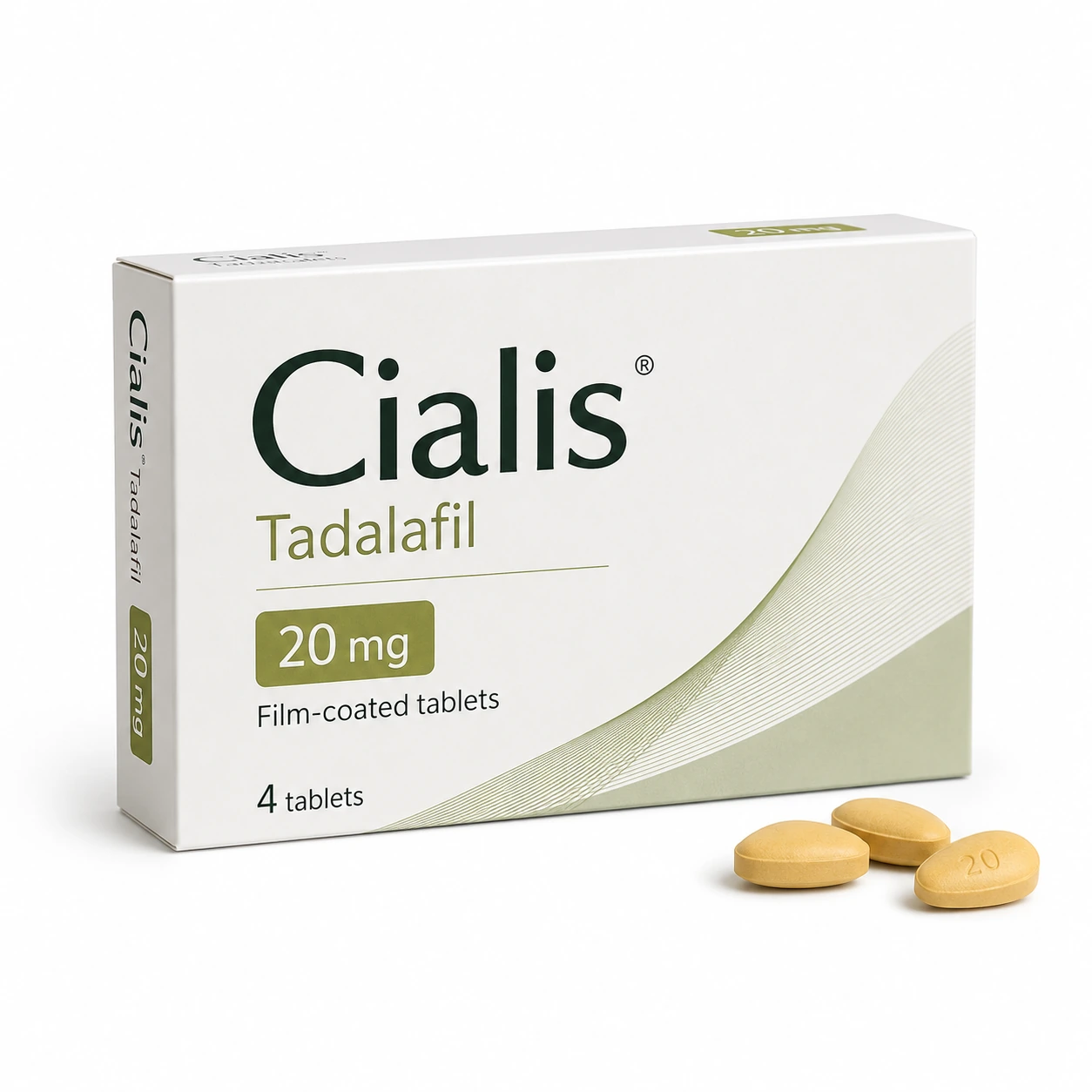
Box and blister pack of Cialis 20 mg tadalafil tablets with two yellow film-coated pills

Name Strengths Price How to Buy
Cialis / Tadalafil 2.5 mg, 5 mg, 10 mg, 20 mg $0.68 Cialis with a prescription
  • Published: July 19, 2025
  • Last update: April 15, 2026
  • By Dr. Cody R. Christensen (Urologist)
  • Medically reviewed by Kari Quickenden, Pharm.D., RPh. (Pharmacist)

Cialis, known by its generic name tadalafil, is a popular medication used to treat erectile dysfunction (ED) and benign prostatic hyperplasia (BPH). Its long duration of action and flexible dosing make it a preferred option for many men. For those looking to purchase Cialis, especially online or in specific strengths like Cialis 5mg or Cialis 20mg, there are several cost-effective and safe purchasing options available.

Main Customer Questions

Can you buy Cialis without a prescription?

In the United States, Cialis and generic tadalafil are prescription medications. Patients need an evaluation by a licensed healthcare professional before a pharmacy can legally dispense the medication.

Can an online prescription be used at a local pharmacy?

In most cases, yes. A valid online prescription written by a licensed clinician can usually be sent electronically to a local pharmacy, as long as the pharmacy can verify and process it through its standard prescription system.

How much does an online consultation for Cialis usually cost?

Online consultation fees vary by provider, but many telehealth services charge a flat rate for the medical review before issuing a prescription. The final cost depends on whether the visit includes only the consultation or also covers prescription support and pharmacy coordination.

How long does delivery usually take when ordering Cialis online?

Shipping times depend on the pharmacy, the delivery method, and your location. Many online pharmacies ship within a few business days after the prescription is approved, while expedited delivery may be available in some areas.

Can I order generic tadalafil online instead of brand-name Cialis?

Yes. Many licensed online pharmacies and telehealth services offer generic tadalafil as a lower-cost alternative to brand-name Cialis. Patients can usually discuss both options during the consultation and choose the version that best fits their treatment plan and budget.

Is online Cialis delivery discreet?

Most licensed pharmacies use plain packaging that does not identify the medication on the outside of the parcel. This helps protect patient privacy during shipping and delivery.

Can I choose between daily Cialis and as-needed Cialis online?

In many cases, yes. If the clinician determines that tadalafil is appropriate, the prescription can often be written either for daily use or for as-needed use, depending on your symptoms, preferences, and medical history.

How to Buy Cialis Online with a Prescription

Step 1 – Choose Your Appointment Time Online

Schedule an online consultation through your telehealth portal Memorial Hospital of Sweetwater County or outpatient service and select a time that works for you. Most patients complete the intake process in a few minutes and can connect with a licensed clinician from a phone, tablet, or desktop device.

Step 2 – Speak With Your Clinician

During the consultation, the clinician reviews erectile dysfunction symptoms, cardiovascular history, blood pressure concerns, current medications, prostate symptoms, and any prior experience with PDE5 inhibitors. This step is used to determine whether tadalafil is appropriate and safe.

Step 3 – Finalizing Your Treatment Plan

Package Price
360 pills $445.75
270 pills $369.99
180 pills $265.46
120 pills $190.19
90 pills $148.11
60 pills $106.68
30 pills $64.41
20 pills $50.95
10 pills $36.93
Package Price Per pill
360 pills $385.23
270 pills $321.76
180 pills $235.43
120 pills $165.80
90 pills $130.95
60 pills $94.41
30 pills $59.95
20 pills $47.34
10 pills $35.92
Package Price Per pill
360 pills $353.99
270 pills $287.26
180 pills $198.99
120 pills $141.91
90 pills $112.93
60 pills $83.92
30 pills $55.95
20 pills $44.93
10 pills $34.45
Package Price Per pill
360 pills $250.05
270 pills $205.99
180 pills $143.28
120 pills $103.93
90 pills $83.17
60 pills $63.95
30 pills $49.98

Place an order in a few clicks >>

If treatment is approved, the prescription is sent electronically to your selected pharmacy. Patients also receive instructions on timing, dose frequency, interactions, and signs that require medical follow-up.

Contact Information – For Any Questions

1200 College Drive, Rock Springs, WY 82901 Phone: 307-362-3711
Email: contact@minershospital.org

Our Urologists

Dr. Cody R. Christensen
Urology
Dr. Cody R. Christensen, DO
Dr. Christensen is a board-certified urological surgeon (American Osteopathic Board of Urological Surgery) and active member of the Wyoming Medical Society, practicing in English. A male physician with deep roots in the Western U.S., he brings both clinical expertise and regional connection to Sweetwater County.

Price Comparison

Provider / Pharmacy Estimated Price Range
Memorial Hospital of Sweetwater County telehealth service About $49.98 for 30 tablets of 5 mg
Hims (generic tadalafil program) From about $24-$40/month
Amazon Pharmacy About $71.16 for 30 tablets of 5 mg
Retail cash price without coupon About $546.72 for 30 tablets of generic tadalafil 5 mg
Discount marketplace / coupon route (GoodRx-participating pharmacies) As low as about $68.00 for 30 tablets of generic tadalafil

*Prices may vary depending on strength, quantity, insurance, coupon use, state, and fulfillment channel.

Benefits with Telehealth Pharmacy Services at Memorial Hospital of Sweetwater County

Telehealth services make it easier for patients to discuss erectile dysfunction and related urinary symptoms in a private setting without traveling to the clinic. A structured online visit can cover the same key decision points as an in-person consultation, including medication history, contraindications, cardiovascular screening, and dose selection.

Key advantages include:

  • Access to licensed clinicians through secure online visits.
  • Private discussion of ED symptoms and treatment preferences.
  • Electronic prescriptions sent directly to a preferred pharmacy.
  • Follow-up support for dose changes, side effects, or refill questions.
  • Convenient review of daily tadalafil versus as-needed tadalafil options.
  • Integration with the patient’s broader medical record when applicable.

Thank you for choosing Memorial Hospital of Sweetwater County. Our goal is to make evidence-based treatment easier to access while maintaining the same privacy, clinical judgment, and medication safety standards expected in regular medical care.

Important Product Information

Active ingredient: Tadalafil, a PDE5 inhibitor that helps increase blood flow in response to sexual stimulation.
Indications: – Erectile dysfunction (ED)
– Symptoms of benign prostatic hyperplasia (BPH)
– ED with BPH symptoms in appropriate patients
Mechanism of action: Tadalafil inhibits PDE5, which helps relax smooth muscle and improve blood flow. In ED treatment, the medication works only in the presence of sexual stimulation.
Benefits: – Longer duration of action than some other ED medications
– Available in once-daily and as-needed dosing options
– Can be taken with or without food
– Widely available as lower-cost generic tadalafil
Common Side Effects: – Headache, flushing, nasal congestion
– Indigestion (dyspepsia)
– Back pain or muscle aches
– Limb pain in some patients
Storage: Store at room temperature in the original packaging and protect from moisture and excessive heat.
Brand vs. Generic: Generic tadalafil contains the same active ingredient as brand-name Cialis and is commonly chosen to reduce cost.
Important Interactions: – Do not combine with nitrates
– Use caution with alpha-blockers and some blood pressure medications
– Some antifungals, antibiotics, and other medicines can affect tadalafil levels
When to get urgent help: Seek urgent medical attention for chest pain, sudden vision or hearing changes, fainting, or an erection lasting more than 4 hours.

Where to Buy Cialis Online?

Buying Cialis online is really about three things at once: getting a legitimate prescription, deciding whether brand-name Cialis is worth paying for, and finding the lowest total cost after consultation fees, tablet pricing, shipping, and refills are added together. The price gap between brand and generic is usually enormous. On some major platforms, brand Cialis can cost many times more than generic tadalafil, while coupon-based retail pricing and cash-pay online pharmacies may reduce the total out-of-pocket cost substantially.

Top 5 online telehealth services that prescribe and ship Cialis or generic tadalafil

  1. Hims. Hims runs the full online flow: intake, clinician review, prescription, and home delivery. It is one of the clearest examples of the brand-versus-generic price gap in the ED market. Hims lists brand Cialis from about $958 per month, while generic tadalafil starts around $40 per month. It also advertises tadalafil chews from about $30 per month, with free shipping and provider messaging on eligible plans. For patients comparing convenience-first subscription services, Hims is one of the easiest benchmarks to understand.
  2. Ro (Roman). Ro is another large national platform with a straightforward pricing structure. Ro currently lists generic tadalafil at $11 for 5 mg and $44 for 10 mg or 20 mg, with dosing minimums applying. It also emphasizes fast shipping and discreet packaging. Ro is useful for patients who want a recognizable online brand with published pricing instead of comparing local pharmacy coupons first.
  3. Amazon One Medical + Amazon Pharmacy. Amazon uses a two-step model: the patient pays for the clinical visit first and then fills the prescription through Amazon Pharmacy. Amazon advertises erectile dysfunction visits starting at $29 for a message visit or $49 for a video visit, depending on the state and service level. After approval, generic tadalafil may be filled through Amazon Pharmacy, where some common prescriptions are priced competitively for insured and cash-pay users.
  4. Lemonaid Health. Lemonaid Health positions itself between classic telehealth and pharmacy fulfillment. Its erectile dysfunction care starts at about $25, and its pricing materials note that generic ED medications may start around $2 per pill. Its tadalafil-related offers also include daily-use treatment options from around $50 per month. This makes Lemonaid attractive for readers who want a lower entry cost than some branded men’s-health subscription platforms.
  5. Sesame. Sesame works more like a transparent telehealth marketplace than a closed subscription system. Same-day doctor visits on the platform start around $35, and erectile dysfunction visits are commonly listed from about $34. Sesame includes tadalafil among the medication options, so it is useful for patients who want a one-time consult and then plan to compare where to fill the prescription afterward.

Top 3 pharmacy routes that commonly make online Cialis cheaper

  1. Mark Cuban Cost Plus Drug Company. Cost Plus Drug Company is one of the clearest cash-pay reference points for generic tadalafil. Public pricing examples show 30 tablets of tadalafil 5 mg at about $22.80 and 30 tablets of tadalafil 10 mg at about $13.50 before shipping and pharmacy fees. That makes Cost Plus especially relevant for patients who already have a valid prescription and want a low-friction mail-order cash option without a branded ED subscription.
  2. Amazon Pharmacy. Amazon Pharmacy works well for people who want a standard national pharmacy rather than a dedicated men’s-health platform. Generic tadalafil pricing can be competitive, especially when insurance or membership-related savings apply. In practice, this route is strongest for patients who want a familiar pharmacy workflow and prefer to keep the prescription inside a large retail ecosystem.
  3. Local chains using GoodRx coupons. GoodRx-linked local pickup remains one of the most common ways patients buy generic tadalafil after an online consultation. Public coupon pricing for tadalafil can start at about $8.58 for some fills, which is why many patients use telehealth only for the prescription and then compare local pickup options at chain pharmacies. This route is often the most flexible because it separates the clinician visit from the dispensing price.

Three additional legal ways people buy Cialis or tadalafil online

  1. Telehealth visit plus local pickup. A patient gets evaluated through a provider such as Sesame, Lemonaid, or Amazon One Medical and then sends the prescription to a nearby pharmacy. This method is often best when the user wants same-day access and does not want to wait for shipping. With visit costs in the $25–$49 range on the telehealth side and coupon-based pharmacy pricing sometimes starting below $10, it can be one of the more transparent ways to control total cost.
  2. Subscription-style online ED programs. Platforms such as Hims and Ro bundle the consultation pathway, refills, delivery, and ongoing account management. This is not always the absolute cheapest route, but it is usually the simplest. Patients who choose this model often care more about convenience and continuity than about finding the lowest possible per-pill price.
  3. Cash-pay online pharmacy without a branded men’s-health platform. Once a legitimate clinician has written the prescription, some users skip the larger ED brands entirely and fill through a pharmacy such as Cost Plus Drug Company or Amazon Pharmacy. This route tends to work best for price-sensitive users who already know the dose they need and do not require frequent follow-up messaging.

The most practical way to think about the Cialis market is this: telehealth platforms are usually best for convenience, coupon-linked retail pharmacies are often best for local price shopping, and cash-pay mail-order pharmacies can be surprisingly competitive once you already have a valid prescription.

Who Makes Cialis and its Approved Generics in the USA?

Patients in the United States can receive either brand-name Cialis or FDA-listed generic tadalafil supplied through regulated manufacturers and U.S. distribution channels. Brand Cialis is packaged by Eli Lilly and Company, while generic tadalafil is sold through multiple approved labelers, manufacturers, and partner distribution structures. For most patients, the practical differences are usually related to price, tablet appearance, packaging, and pharmacy sourcing rather than the intended effect of the active ingredient.

The safest way to evaluate any tadalafil product is to check whether it was dispensed by a licensed pharmacy, whether the strength matches the prescription, and whether the packaging clearly identifies the manufacturer, labeler, or U.S. distributor. In legitimate U.S. channels, tadalafil tablets are commonly available in the standard ED strengths of 2.5 mg, 5 mg, 10 mg, and 20 mg.

Verified Manufacturers and Marketed Tadalafil Lines in the United States

Manufacturer / Labeler Product Dosages (mg) Notes
Eli Lilly and Company Cialis (brand) 2.5, 5, 10, 20 Original branded tadalafil product marketed in the U.S. through Lilly’s NDA line.
Teva Pharmaceuticals, Inc. / Watson Pharma Private Limited Tadalafil 2.5, 5, 10, 20 Large international generic line listed in U.S. labeling; manufacturing is identified through Watson Pharma Private Limited in India.
Zydus Lifesciences Ltd. / Zydus Pharmaceuticals (USA) Inc. Tadalafil 2.5, 5, 10, 20 Indian manufacturer with a direct U.S. distribution arm; commonly listed in U.S. tadalafil labeling records.
Macleods Pharmaceuticals Limited Tadalafil 2.5, 5, 10, 20* Indian generic manufacturer appearing as a listed tadalafil packager for the U.S. market.

*Strength availability may vary slightly by labeler, NDC configuration, repackager, or pharmacy sourcing channel.

All legitimate tadalafil products dispensed through licensed U.S. pharmacies must meet regulatory standards for identity, labeling, and manufacturing quality. In practical terms, patients usually see differences in tablet shape, inactive ingredients, supplier, and price rather than major differences in expected clinical effect when the product is sourced through an approved channel.

Key Points Patients Should Know

All FDA-approved generic tadalafil products must match brand Cialis in active ingredient, dosage form, bioequivalence standards, and expected therapeutic effect. In practice, the most noticeable differences are usually price, tablet appearance, inactive ingredients, packaging, and the company listed as the manufacturer or labeler. For most patients, the real decision is whether to pay more for the original Lilly brand or use generic tadalafil through a licensed pharmacy at a lower cost.

Parameter Brand Cialis (Eli Lilly) Generic Tadalafil (Multiple Manufacturers)
Active ingredient Tadalafil Tadalafil (identical)
Strengths 2.5, 5, 10, 20 mg 2.5, 5, 10, 20 mg in standard U.S. ED channels
Bioequivalence Reference product Must meet FDA bioequivalence standards
Effectiveness Long-acting PDE5 inhibitor for ED Expected equivalent clinical effect when properly approved and dispensed
Side effects Headache, flushing, dyspepsia, nasal congestion, back pain Same general adverse-effect profile
Onset / Duration Usually 30–60 minutes / up to 36 hours Same overall profile
Price Usually much higher cash-pay cost Usually lower, especially in larger quantities or coupon-based fills
Insurance coverage Often limited or excluded Sometimes more favorable, but still plan-dependent
Patient preference Brand recognition and original manufacturer Lower cost with comparable expected effect

What to Ask Your Doctor Before Starting Cialis?

Do I need any tests before starting tadalafil?

Some men can begin tadalafil treatment after a focused medical history, a review of current medications, and a basic assessment of cardiovascular safety. However, other patients may need additional evaluation before a prescription is issued, especially if they have chest pain, uncontrolled blood pressure, diabetes, kidney or liver disease, or a history of heart or vascular problems. Doctors may also recommend blood tests such as glucose or HbA1c, lipid levels, kidney function, liver function, or testosterone testing when erectile dysfunction could be linked to an underlying medical condition rather than only a response issue. The goal of this workup is not to delay treatment, but to make sure tadalafil is safe, the starting dose is appropriate, and no important health problem is being missed.

What dose of tadalafil makes the most sense for me?

The right tadalafil dose depends first on whether you plan to use it as needed before sexual activity or as a once-daily treatment. For as-needed use, doctors often consider 10 mg as a common starting point and may adjust to 20 mg if the effect is not strong enough or down to 5 mg if side effects are a concern. For daily use, the usual discussion is around 2.5 mg or 5 mg once per day, especially for men who want more spontaneity or also have urinary symptoms related to BPH. The best dose is the lowest strength that gives reliable results without troublesome side effects or unwanted interactions with other medications.

Is there a generic version of Cialis?

Yes. Generic tadalafil is widely available in the United States and contains the same active ingredient as brand-name Cialis. In practical terms, that means patients can receive the same molecule used for erectile dysfunction treatment without being limited to the original branded product. For many men, generic tadalafil is now the standard way to access this therapy through licensed pharmacies and telehealth services.

Generic tadalafil is used in the same general treatment patterns as Cialis, including lower daily doses such as 2.5 mg or 5 mg and as-needed doses such as 10 mg or 20 mg. The prescriber still decides which strength makes the most sense based on medical history, side effects, cardiovascular safety, and how often the patient expects to use the medication. In other words, switching from brand Cialis to generic tadalafil does not change the basic prescribing logic, but it often changes the final cost.

Patients should also understand that a generic version is not a weaker version of the drug. Approved generics are expected to match the brand in active ingredient, dosage form, and overall therapeutic effect, while differences usually involve tablet appearance, inactive ingredients, packaging, or manufacturer name. This is why most patients focus less on the logo on the box and more on whether the medication comes from a licensed pharmacy, matches the prescribed dose, and is offered at a reasonable price.

What is the correct way for me to take Cialis for the best effect?

Tadalafil should always be taken exactly as prescribed, because the best way to use it depends on whether it was prescribed for as-needed use or as a once-daily treatment. Some men take Cialis before planned sexual activity, while others use a daily dose to maintain a more consistent effect over time. It can usually be taken with or without food, which is one reason many patients find tadalafil more flexible than shorter-acting ED medications. Even so, timing still matters, because taking more than prescribed or repeating doses too soon can increase the chance of side effects without improving results. Patients should also avoid combining tadalafil with other ED medications unless a clinician has specifically told them to do so.

What is the maximum safe amount of tadalafil I can take in one day?

Patients should stay within the prescribed daily limit and should never increase the dose on their own just because the effect felt weaker than expected on one occasion. In routine erectile dysfunction treatment, the maximum safe amount depends on whether tadalafil is being used as needed or as a once-daily medication. For as-needed use, doctors commonly work within the 10 mg to 20 mg range, while daily therapy is usually limited to 2.5 mg or 5 mg once per day. Taking extra tablets in the same day does not reliably improve the result, but it can make headache, flushing, low blood pressure, dizziness, or back pain more likely. If the prescribed dose does not seem to work well enough, the safer approach is to review timing, food, alcohol use, and medication interactions with the clinician instead of trying to push the dose higher without supervision.

Do patients get the same results with generic tadalafil as with brand Cialis?

In most routine cases, yes. A properly dispensed generic tadalafil product is expected to provide the same active ingredient and the same general therapeutic effect as brand-name Cialis when it is taken at the same dose and under the same conditions. For most patients, that means the practical difference is usually not whether the medicine “works,” but which manufacturer made it, how the tablet looks, what the pharmacy charges, and how comfortable the patient feels with the product.

That said, patients do sometimes report that one version feels slightly different from another. In many cases, the explanation is not a true difference in tadalafil itself, but a difference in timing, food, alcohol use, anxiety, sleep, hydration, or expectations on that particular day. Generic and brand tablets may also differ in inactive ingredients, tablet coating, or how quickly the tablet dissolves, which can affect the patient’s experience at the margins even when the core drug exposure remains within accepted standards. This is why doctors usually look at the full context before concluding that a generic is “weaker” or “stronger.”

There are also situations where a patient may reasonably prefer one version over another without meaning that the generic is unsafe. For example, some men tolerate one manufacturer’s tablet better because of inactive ingredients, while others simply prefer to stay with the same product once they find a version that works consistently for them. A pharmacy switch from one generic manufacturer to another can also create confusion if the pill suddenly changes color, shape, or imprint, even though the prescription itself has not changed. In that situation, the safest step is to verify the manufacturer and strength with the pharmacist rather than stop treatment in panic or double the dose to “make up” for the change.

The red lines are different and much more important than the brand-versus-generic question. Patients should not assume any tadalafil product is safe if it comes from an unlicensed website, arrives without proper labeling, has no manufacturer information, or is sold without a valid prescription. They should also stop and speak with a clinician promptly if they develop chest pain, severe dizziness, fainting, vision or hearing changes, or an erection lasting too long, because those safety concerns matter far more than whether the box says Cialis or tadalafil. In other words, a legitimate generic from a licensed pharmacy is usually a reasonable and safe option, but an unknown product from an unverified seller is not.

The practical takeaway is that most patients can feel comfortable using generic tadalafil when it is prescribed appropriately and dispensed through a licensed pharmacy. If the generic works well, causes no unusual side effects, and matches the prescribed dose, there is usually no medical reason to chase the brand purely out of fear. If the response changes after a manufacturer switch, the best approach is to review the specific product, the dose, and the circumstances of use with the prescriber or pharmacist rather than assume that all generics are unreliable. Good safety comes from the right diagnosis, the right dose, and the right supply channel, not just from paying for the most recognizable brand name.

Can I use Cialis if I have high or low blood pressure?

Possibly, but only after medication and cardiovascular review. Men with stable blood pressure often use tadalafil safely under medical supervision, while those with unstable blood pressure, nitrate therapy, or certain cardiovascular conditions may need an alternative approach.

How long does Cialis usually take to start working?

Tadalafil does not have to be timed as narrowly as some shorter-acting erectile dysfunction medications, which is one reason many patients prefer it. In many men, the medicine begins to have a clinically useful effect within about 30 minutes to 2 hours, although the exact timing varies from person to person. Food usually has less impact on tadalafil than on some other ED drugs, but alcohol, anxiety, fatigue, and overall health can still affect how quickly and how well it works. Patients should follow the timing instructions given with their prescription and judge the response over several properly timed attempts rather than after only one experience.

How can I be sure the Cialis I order online is authentic?

The safest way to check authenticity is to order only from a licensed pharmacy or telehealth service that requires a valid prescription, clearly identifies the dispensing pharmacy, and provides real contact information. Legitimate sellers usually show the pharmacy name, address, licensing details, refill information, and patient support contacts somewhere on the site or in the order documentation. The medication itself should arrive in properly labeled packaging with the drug name, strength, manufacturer or labeler, directions for use, and an expiration date. If any of that basic information is missing, the product should be treated with caution.

Patients should be especially careful with websites that advertise “no prescription needed,” hide their physical location, refuse to identify the pharmacy, or offer prices that look dramatically lower than normal U.S. market pricing. Other warning signs include poor-quality packaging, missing lot information, tablets that do not match the description, or shipments that arrive without standard pharmacy labeling. If the tablets look different from a previous refill, the safest next step is to verify the manufacturer and strength with the pharmacist before taking them. Authenticity is not only about the pill itself, but about the entire supply chain from prescription review to pharmacy fulfillment and final packaging.

How do I verify that the pharmacy filling my tadalafil prescription is properly licensed?

Patients should verify both the pharmacy itself and the way it handles prescriptions before placing an order. A legitimate pharmacy does not hide its identity, does not sell prescription medication without review, and does not make it difficult to confirm who is dispensing the drug. Before buying tadalafil online, it is worth checking several basic details:

  • Look for a real physical address. A legitimate pharmacy should list a street address, not just a contact form or vague location reference.
  • Check for licensing information. The site should identify the pharmacy name, licensing details, and, in many cases, the state in which it is registered.
  • Confirm pharmacist contact access. Patients should be able to reach the pharmacy by phone or through a real support channel if they have questions about tadalafil, side effects, refills, or interactions.
  • Make sure a valid prescription is required. A site that offers tadalafil without a prescription, or claims to “skip the doctor,” is a major warning sign.
  • Review the prescription process. Legitimate services usually explain who reviews the prescription, where it is sent, and which pharmacy actually fills the order.
  • Check the labeling on the final shipment. The package should identify the drug name, strength, directions, pharmacy information, and manufacturer or labeler.
  • Cross-check the pharmacy independently. Patients can verify the business through the appropriate state board of pharmacy or other recognized pharmacy verification resources before ordering.
  • Watch for red flags. Hidden ownership, no licensing details, unrealistically low prices, poor English on regulatory pages, or no way to speak with a pharmacist are all signs to avoid the seller.

If a pharmacy cannot clearly explain who they are, where they are licensed, and how they handle prescriptions, patients should not trust them with tadalafil or any other prescription medication. A properly licensed pharmacy should be transparent before the order, during the prescription review, and after the medication is shipped.

Why do I need a doctor’s prescription before I can use Cialis?

Tadalafil is a prescription medication because it affects blood vessels, blood pressure, and cardiovascular safety in ways that need to be reviewed before treatment begins. A doctor’s prescription helps confirm that erectile dysfunction is actually the right problem to treat and that the symptoms are not being caused by another condition such as diabetes, hormonal imbalance, vascular disease, or medication side effects. The prescribing visit also allows the clinician to check for important risks, including nitrate use, unstable heart disease, very low blood pressure, and other drug interactions that could make Cialis unsafe. It is also the point where the doctor decides whether tadalafil should be used as needed or once daily and whether a lower or higher dose makes the most sense for that patient. In other words, the prescription requirement is not just a legal formality, but a safety step that helps make treatment more appropriate, more predictable, and less risky.

Why do I need a doctor’s prescription before I can use Cialis?

Tadalafil is a prescription medication because it affects blood vessels, blood pressure, and cardiovascular safety in ways that need to be reviewed before treatment begins. A doctor’s prescription helps confirm that erectile dysfunction is actually the right problem to treat and that the symptoms are not being caused by another condition such as diabetes, hormonal imbalance, vascular disease, or medication side effects. The prescribing visit also allows the clinician to check for important risks, including nitrate use, unstable heart disease, very low blood pressure, and other drug interactions that could make Cialis unsafe. It is also the point where the doctor decides whether tadalafil should be used as needed or once daily and whether a lower or higher dose makes the most sense for that patient. In other words, the prescription requirement is not just a legal formality, but a safety step that helps make treatment more appropriate, more predictable, and less risky.

How does generic tadalafil compare with brand Cialis?

For most patients, the main difference between generic tadalafil and brand Cialis is price rather than the active ingredient itself. In current U.S. discount and coupon channels, generic tadalafil can sometimes be found at roughly $10-$19 for 10 tablets of 20 mg, and some 30-tablet coupon examples are around $12.18 for 5 mg, $18.89 for 10 mg, and $17.78 for 20 mg. By contrast, brand-name Cialis may cost around $447.12 for thirty 5 mg tablets when paying cash without insurance. That price gap is the main reason generic tadalafil has become the default choice for many patients who want the same treatment approach at a much lower out-of-pocket cost.

Brand Cialis may still matter to patients who prefer the original Lilly product, familiar packaging, or a specific pharmacy supply they already trust. But in routine practice, most men focus less on branding and more on whether the medication is authentic, dispensed by a licensed pharmacy, and offered at a sustainable price for repeat use. As long as the prescription is appropriate and the pharmacy is legitimate, generic tadalafil is usually the more practical option for long-term affordability. For many patients, the real comparison is not “better vs worse,” but “brand recognition vs lower recurring cost.”

Does a larger tadalafil supply lower the cost per tablet?

In many cases, yes. A larger tadalafil supply often lowers the cost per tablet because the pharmacy spreads fixed costs such as prescription processing, dispensing, packaging, and shipping across more tablets. Online pharmacies and mail-order services also tend to offer better unit pricing on larger fills or repeat orders, especially for generic tadalafil. That is why the total price goes up with a larger order, but the price per tablet often goes down.

This pricing effect is usually much stronger with generic tadalafil than with brand Cialis. For example, current U.S. discount pricing can place generic tadalafil 5 mg at roughly $12.18 for 30 tablets, or about $0.41 per tablet, while brand Cialis 5 mg may cost about $447.12 for 30 tablets, or around $14.90 per tablet. Brand-name Cialis may also become slightly cheaper per tablet when dispensed in a larger quantity, but the starting price is so much higher that the savings usually do not change the overall value comparison. For most patients, a larger generic tadalafil supply is where the most meaningful per-tablet savings usually appear.

Is Cialis cheaper through telehealth than at a local pharmacy?

It can be, especially for uninsured patients or for people who want a simple bundled option that includes the online evaluation, prescription, and home delivery in one process. Many telehealth services negotiate pricing around generic tadalafil and present it as a flat monthly or per-order cost, which makes the total expense easier to predict. That model is often attractive for patients who do not want to compare separate doctor visit fees, pharmacy prices, shipping charges, and refill logistics on their own. In practical terms, telehealth is often cheaper when the patient is paying cash, prefers generic tadalafil, and values convenience as much as the raw per-tablet price.

At the same time, telehealth is not automatically the lowest-cost route in every case. A local pharmacy may match or beat online pricing when the patient uses a coupon, fills a larger generic tadalafil prescription, or has insurance that lowers the medication cost more than a telehealth bundle would. Local pickup can also be more practical for patients who want the prescription quickly, prefer face-to-face pharmacist access, or want to compare several nearby pharmacies before choosing one. For many patients, the most accurate answer is that telehealth may lower the total cost of getting started, while a local pharmacy may sometimes offer the better refill price depending on insurance, coupons, pack size, and whether the prescription is for brand Cialis or generic tadalafil.

Do discounts or coupons apply to Cialis and tadalafil?

Yes, but in routine practice coupons and discount cards are usually much more useful for generic tadalafil than for brand Cialis. Most of the largest pharmacy discount platforms focus their strongest savings on generics, especially when the patient is paying cash rather than using insurance. For example, a public GoodRx coupon listing can place generic tadalafil 5 mg at about $10.80 to $12.18 for 30 tablets at certain pharmacies, which shows how sharply the cash price can fall when a discount program is applied. This is one of the main reasons many patients ask the prescriber for generic tadalafil instead of insisting on the branded Cialis label.

Brand Cialis can also appear on coupon platforms, but the savings are usually less dramatic because the starting price is much higher. In other words, a coupon may reduce the price of brand Cialis, but it often still remains far more expensive than discounted generic tadalafil. Actual savings depend on the pharmacy, location, tablet strength, quantity, and whether the patient is buying a 30-day supply, a larger refill, or a same-day local pickup. For most cash-paying patients, coupons are best viewed as a practical tool for comparing pharmacies and lowering the cost of generic tadalafil rather than as a reliable way to make brand Cialis inexpensive.

Is buying Cialis from overseas websites legal and cheaper?

Overseas websites often advertise tadalafil or Cialis at very low prices, but for patients in the United States this route comes with both legal and safety problems. In most circumstances, the FDA says it is illegal for individuals to import prescription drugs into the U.S. for personal use, even when the medicine is approved in another country or appears to be the same active ingredient. There are narrow enforcement exceptions and limited personal-importation situations, but patients should not treat those exceptions as a normal or guaranteed pathway for ordering ED medication online. In practical terms, a website shipping tadalafil from outside the United States may look cheaper on the checkout page while still exposing the buyer to customs issues, product seizure, or a medicine that does not meet the same labeling and regulatory controls expected in the U.S. system.

The second issue is quality control. A foreign website may list a low price, but the patient often cannot verify storage conditions, actual manufacturer identity, batch traceability, or whether the tablets were dispensed through a properly licensed pharmacy. That matters because counterfeit and substandard ED medications are a well-known online problem, especially on sites that promise prescription-free Cialis or hide their physical location. For most patients, the safer route is still a licensed U.S. clinician, a valid prescription, and a regulated pharmacy that clearly identifies the dispensing entity, the manufacturer, the strength, and the lot information on the package. Lower prices do exist overseas, but the tradeoff is that the legal status is uncertain for routine personal importation and the product-safety risk is usually much higher than with a licensed U.S. pharmacy.

Telehealth Prescription Questions

How do I get Cialis?

Getting Cialis usually begins with a medical evaluation rather than with the pharmacy itself. The clinician needs to confirm that erectile dysfunction is the likely problem, review how long the symptoms have been present, and make sure tadalafil is safe based on the patient’s cardiovascular history, blood pressure status, and current medications. If the patient is a good candidate, the prescription is then sent to a licensed retail pharmacy or an approved mail-order partner.

In practical terms, most patients reach Cialis through one of three channels: a telehealth service, a primary care visit, or a urology consultation. Telehealth is often the fastest route for straightforward cases because the intake, review, and prescription process can all happen online. In-person care may be more appropriate when the patient has chest pain, unstable blood pressure, diabetes complications, a complex medication list, or symptoms that suggest the erectile problem may be part of a broader medical issue.

The important point is that Cialis is not obtained legally in the United States through anonymous “buy now” websites that skip the medical step. A real prescription pathway includes screening, dosing instructions, and a record of who prescribed the medication and where it was dispensed. That process protects the patient from dangerous drug interactions, wrong dosing, and counterfeit products that are common in the unregulated online ED market.

How do I get a prescription from a doctor?

A Cialis prescription follows a structured clinical review, not just a request for the medication by name. The doctor will usually ask about erection quality, how often the problem happens, whether the patient still has morning erections, and whether the difficulty is new or long-standing. The discussion also covers heart history, blood pressure, diabetes risk, alcohol use, smoking, sleep issues, and current medications, because all of those factors can affect whether tadalafil is appropriate.

During the visit, the doctor will usually review issues such as:

  • How severe the erectile symptoms are and how long they have been present
  • Whether sexual activity itself is safe from a cardiovascular standpoint
  • Whether the patient takes nitrates, alpha-blockers, or other interacting medications
  • Whether urinary symptoms from BPH are also part of the treatment goal
  • Whether additional testing or follow-up is needed before starting treatment

If the doctor determines that tadalafil is a reasonable choice, the prescription is written with a specific dose, schedule, and refill plan. Some patients receive as-needed dosing instructions, while others are prescribed a lower daily dose for more regular use. If the history suggests higher risk, the doctor may delay the prescription until blood pressure is checked, labs are reviewed, or another condition is evaluated first.

How do I get Cialis prescribed online?

Online prescribing usually starts with a digital intake form that asks about erectile symptoms, general health, and current medications. Depending on the service and the patient’s answers, the next step may be a secure message review, a video visit, or a phone consultation with a licensed clinician. Once the clinician confirms that tadalafil is appropriate, the prescription can be sent electronically to the patient’s preferred pharmacy or to a partner fulfillment service.

At Memorial Hospital of Sweetwater County, a telehealth workflow for prescription medications would typically include identity verification, symptom review, medication reconciliation, and a clinical decision based on the same safety principles used in an in-person setting. The patient is not simply selecting a pill from a menu; the clinician still has to determine whether tadalafil is medically appropriate and whether the chosen dose matches the intended use. That helps keep online prescribing legitimate and prevents the process from looking like a retail checkout instead of a healthcare encounter.

Patients should also understand that not every online request ends with an instant prescription. If the clinician sees warning signs such as chest pain with exertion, very low blood pressure, unstable heart disease, nitrate use, or a complicated medication profile, the online process may pause and shift toward additional review. In those cases, the safest telehealth outcome may be a referral, follow-up testing, or an in-person evaluation rather than same-day tadalafil.

How much does it cost to get a prescription?

The total cost of getting a Cialis prescription usually includes at least two separate parts: the medical evaluation and the medication itself. In some telehealth models, those charges are bundled together in one monthly or per-order price, while in other settings the visit fee and pharmacy charge are separate. The final amount depends on whether the patient is using brand Cialis or generic tadalafil, whether insurance is involved, and whether any laboratory testing or follow-up is required.

A patient may also see cost differences depending on where the prescription is issued and where it is filled. A hospital-affiliated telehealth visit, a primary care office visit, and a private men’s-health platform may all price the consultation differently even when the medication prescribed is the same. Memorial Hospital of Sweetwater County may also structure telehealth pricing differently from direct-to-consumer online services, especially if the care model includes chart review, ongoing follow-up, or coordination with the patient’s broader medical record.

That is why patients should think about the full cost pathway rather than asking only, “How much is the pill?” A low tablet price may be offset by a high visit fee, while a more expensive telehealth package may actually be competitive if it includes prescribing, refill management, and shipping. The most accurate comparison usually looks at four things together: visit cost, medication cost, refill convenience, and whether the patient expects to use tadalafil occasionally or on a longer-term basis.

How long does a prescription last?

A Cialis prescription does not last forever by default. Its practical duration depends on the number of tablets prescribed, the dosing schedule, the refill authorization, and the prescribing clinician’s follow-up policy. For example, a prescription written for occasional use may last much longer in real life than a daily-use prescription, even if the number of tablets looks similar on paper.

Refills are usually tied to clinical judgment rather than automatic convenience. If a patient is starting tadalafil for the first time, the prescriber may want follow-up to confirm that the medication works, that side effects are acceptable, and that no new contraindications have appeared since the original evaluation. This is especially important when the patient has cardiovascular risk factors, changes in blood pressure medications, or ongoing urinary symptoms that could affect the treatment plan.

Patients should also remember that pharmacy refill rules and prescriber review cycles are not always the same thing. A pharmacy may still show tablets remaining on the prescription, but the clinician may want reassessment before authorizing future treatment beyond the initial period. In good practice, the prescription lasts long enough to support treatment, but not so long that clinically important changes in health go unnoticed.

How quickly can you get Cialis?

Some patients can receive a same-day prescription decision, especially when the history is straightforward and there are no obvious safety concerns. In a typical telehealth case, the intake form, clinician review, and prescription transmission may all happen within the same day. That is most likely when the patient has a stable medical history, is not taking contraindicated medications, and does not report symptoms that require additional workup before sexual-activity treatment is considered safe.

Other cases move more slowly for good reasons. If the patient reports chest pain, severe shortness of breath, fainting, uncontrolled hypertension, recent cardiac events, or an unclear medication list, the clinician may need more information before prescribing tadalafil. At Memorial Hospital of Sweetwater County, a cautious process in those situations would be a sign of appropriate medical review, not unnecessary delay.

Even after the prescription is approved, the actual speed of getting Cialis depends on where it is filled. A local pharmacy may provide the fastest first fill if the medication is in stock, while mail-order fulfillment adds shipping time even when the prescribing decision is immediate. So patients should separate two different timelines in their minds: how quickly the prescription is approved, and how quickly the medication physically reaches them.

What Cialis dosage will I be prescribed?

The prescribed dose depends on how tadalafil is meant to be used and what safety factors apply to the individual patient. Some men are prescribed tadalafil for as-needed use before sexual activity, while others take a lower daily dose when they prefer a continuous schedule or when urinary symptoms from BPH are also part of the treatment goal. The clinician also considers kidney function, liver function, medication interactions, age, and prior side effects before choosing the starting dose.

Common prescribing patterns may include:

  • 2.5 mg once daily for selected patients who need a low daily starting dose
  • 5 mg once daily when daily tadalafil is being used for ED or for ED with BPH symptoms
  • 10 mg as needed before sexual activity as a common on-demand starting option
  • 20 mg as needed in patients who need a stronger effect and tolerate tadalafil appropriately

The goal is not to start with the highest number possible, but to choose the dose that gives reliable benefit with acceptable tolerability. If the patient has headaches, flushing, dizziness, or interaction concerns, the prescriber may stay lower or move more cautiously. If the medication is well tolerated but not effective enough, the dose may later be adjusted, but that decision should be made through follow-up rather than by self-increasing the tablets at home.

Can I get a low tadalafil dosage?

Yes, low-dose tadalafil is a normal and legitimate prescribing option when it makes clinical sense. It is especially common in patients who want a once-daily routine, in men who are sensitive to side effects, and in those whose treatment plan also includes urinary symptom control from BPH. A lower dose may also be preferred when the clinician wants a cautious starting point because of age, organ-function concerns, or possible medication interactions.

Low-dose treatment is not the same thing as weak treatment. For some patients, a daily 2.5 mg or 5 mg schedule provides a steadier and more convenient effect than waiting to take a larger tablet before sex. In other patients, low-dose tadalafil is used as a starting strategy so the clinician can see how well the medication is tolerated before deciding whether a higher dose is necessary.

The most important point is that dose selection should match the patient’s real use pattern and health profile. A patient who has sex infrequently may not need daily tadalafil at all, while a patient who wants spontaneity may prefer a lower daily regimen over on-demand tablets. Low-dose tadalafil is therefore not just a smaller version of the same prescription, but sometimes a different treatment strategy with its own advantages in convenience, tolerability, and long-term use.

The Most Important Safety Questions

What are the side effects of Cialis?

Cialis (tadalafil) is generally well tolerated, but like other PDE5 inhibitors it can cause a predictable set of side effects related to blood-vessel relaxation, smooth-muscle effects, and individual sensitivity to the dose. In many men, these reactions are mild and short-lived, especially when the medication is taken exactly as prescribed and not combined with interacting drugs. The practical question for patients is not only what side effects can happen, but how to recognize whether a symptom is a routine reaction, a reason to call the prescriber, or a sign that urgent medical care is needed.

The most common side effects discussed in standard prescribing information include headache, indigestion, facial flushing, nasal congestion, back pain, muscle aches, and sometimes pain in the arms or legs. Not every patient experiences them, and many symptoms improve once the body has had time to adjust or when the dose and timing are optimized. What matters most is recognizing the pattern: mild, expected effects are usually temporary, while sudden vision loss, sudden hearing changes, severe dizziness, chest symptoms, or an erection lasting more than 4 hours should never be treated as routine.

Common vasodilatory side effects: headache, flushing, and a warm face

One of the most typical tadalafil side effects is headache. Patients often describe it as pressure in the forehead, temples, or behind the eyes that begins after the tablet starts working and then fades gradually. Facial flushing may happen at the same time, causing warmth, redness, or a “hot face” feeling, especially in the cheeks, neck, or ears.

These symptoms usually reflect the same mechanism that helps tadalafil work for ED: blood-vessel relaxation. In most cases, they are mild to moderate rather than dangerous. A patient can often identify them because they appear fairly soon after the dose, do not usually involve confusion or collapse, and improve as the medication wears off.

Patients should be more cautious if the headache is unusually severe, comes with chest pain, fainting, or severe visual symptoms, or feels very different from prior episodes. A routine tadalafil headache is unpleasant but usually temporary; a dramatic change in pattern deserves medical attention. Alcohol, dehydration, and taking a higher dose than needed can make these symptoms more intense.

Digestive side effects: indigestion, reflux, and stomach discomfort

Tadalafil can also cause indigestion, upper abdominal discomfort, or a “burning” reflux-type feeling in some men. Patients may notice belching, stomach pressure, mild nausea, or a sense that food is sitting heavily in the stomach after the dose. These effects are usually not a sign of allergy or poisoning; they are more commonly part of the known gastrointestinal side-effect pattern.

In practical terms, patients can often identify this side effect by its timing and by the absence of true emergency features. Mild indigestion tends to occur without swelling of the lips, breathing difficulty, or a widespread rash. It may be more noticeable after a heavy meal, after alcohol, or when the medication is taken late in the evening and the patient lies down soon afterward.

What should raise concern is not ordinary reflux, but severe persistent pain, vomiting, black stools, or chest pressure that could be mistaken for heart-related pain. If the patient is not sure whether the pain is “stomach pain” or “chest pain,” it is safer to seek urgent medical evaluation. Men with frequent reflux may also need practical dose-timing adjustments rather than simply stopping treatment on their own.

Back pain, muscle aches, and limb pain: a distinctive tadalafil pattern

Tadalafil is well known for sometimes causing back pain, muscle aches, or generalized soreness in the thighs, lower back, buttocks, or legs. This is one of the side effects that patients often find confusing because it may begin later than the ED effect itself. Instead of appearing immediately after the tablet, the discomfort may start 12 to 24 hours after the dose.

Patients can identify this pattern when the pain feels muscular rather than sharp, crushing, or neurologic. It is often described as an ache, stiffness, or soreness rather than a stabbing pain. In many cases, it improves within about 48 hours and does not come with fever, weakness on one side, or loss of bladder control.

This distinction matters. Typical tadalafil-related muscle pain should fade, not rapidly worsen, and it should not look like a serious spine, kidney, or vascular emergency. If pain is severe, one-sided, associated with numbness, difficulty walking, fever, or chest symptoms, the patient should not assume it is “just Cialis” and should get medical advice promptly.

Nasal and sinus symptoms: congestion, pressure, and runny nose

Some men notice a stuffy nose, sinus pressure, or a runny nose after taking tadalafil. This happens because blood-vessel changes are not limited to erectile tissue and can also affect the nasal passages. The result may feel similar to mild allergy symptoms or the early phase of a cold, even though it is actually a medication effect.

Patients can usually identify this as a tadalafil-related side effect when it appears after dosing, especially if it repeats in the same way on more than one occasion. It often comes with other mild side effects such as headache or flushing and usually resolves on its own. It does not typically cause high fever, severe facial swelling, or thick discolored drainage by itself.

A key practical point is that patients should not immediately confuse routine congestion with an infection or with a dangerous reaction. However, if nasal symptoms are accompanied by wheezing, lip or tongue swelling, or difficulty breathing, that changes the picture and may point to a hypersensitivity reaction rather than a standard side effect.

Dizziness and low blood pressure: when mild lightheadedness becomes a red flag

Because tadalafil relaxes blood vessels, some patients may feel lightheaded, dizzy, or slightly unsteady, particularly when standing up quickly. This is more likely if the patient is dehydrated, has naturally low blood pressure, drinks a lot of alcohol, or is taking certain blood pressure medications or alpha-blockers. In some men, the sensation is brief and mild; in others, it can be more noticeable and clinically important.

Patients can identify a mild blood-pressure-related effect when the symptom feels like transient lightheadedness on standing and improves after sitting or lying down. But if the dizziness is intense, causes near-fainting, or comes with cold sweats, blurred vision, chest discomfort, or confusion, it should not be brushed off as minor. Those features suggest that the drop in blood pressure may be significant.

This point becomes especially important if the patient has used nitrates, “poppers,” certain heart medicines, or multiple vasodilating drugs. In those situations, tadalafil can contribute to a dangerous blood-pressure drop. Any patient who develops severe weakness, collapse, chest pain, or shortness of breath after combining tadalafil with another vasodilating medication should seek emergency care immediately.

Vision-related side effects: minor visual symptoms versus true emergencies

PDE5 inhibitors are often discussed together because some can cause temporary visual symptoms, but with tadalafil the most important safety message is not routine color change so much as recognizing rare but serious eye warnings. A patient may occasionally report blurred vision or a vague sense that the eyes are “not quite right,” but most men do not develop clinically important eye problems. The critical warning sign is sudden loss of vision in one or both eyes.

Patients should learn to separate mild nonspecific visual discomfort from a true emergency. If the issue is brief eye strain, mild blur, or a transient sensation without actual vision loss, it may still warrant discussion with the prescriber but is not the same as acute blindness. In contrast, if vision suddenly becomes dark, sharply reduced, partially missing, or disappears in one or both eyes, the medication should be stopped and urgent medical care should be sought immediately.

Men who already have a history of serious eye vascular problems need extra caution. Even though severe eye complications are rare, the consequence can be major, which is why sudden visual loss is treated as a medical emergency rather than as an ordinary side effect to “wait out.”

Hearing-related side effects: ringing, muffled hearing, or sudden loss

Another uncommon but important warning involves hearing. Cases of sudden decrease or loss of hearing have been reported in patients taking tadalafil, sometimes with ringing in the ears or dizziness. This is not the same thing as mild nasal congestion making the ears feel “blocked.”

Patients can identify the concerning pattern when hearing drops suddenly in one or both ears, sounds become markedly muffled, or tinnitus appears abruptly and is clearly out of proportion to ordinary background symptoms. If this happens, the safest response is to stop the medication and seek prompt medical attention. Waiting several days to “see if it clears” is not a good approach when hearing changes are abrupt.

A practical distinction helps here: a mildly stuffy head from congestion may create pressure, but true hearing loss usually feels sharper and more dramatic. Men should be told in advance that hearing symptoms are not a routine nuisance side effect in the same way headache or flushing may be. They are uncommon enough that they should always be taken seriously.

Priapism and prolonged erection: the emergency patients must not ignore

One of the most important red lines with tadalafil is an erection that lasts too long. Patients sometimes assume that because the medication is supposed to help erections, a persistent erection means the drug is “working strongly.” That is the wrong interpretation once the erection becomes prolonged, painful, or continues well beyond sexual activity.

The clearest rule is simple: if an erection lasts more than 4 hours, the patient should seek emergency treatment. The reason is not embarrassment but tissue safety. A prolonged erection can damage penile tissue and may lead to long-term erectile problems if treatment is delayed.

Patients should also know that priapism does not always mean a fully rigid, painless erection. Warning signs can include persistent hardness, increasing pain, a trapped-feeling erection that does not subside, or an erection that continues despite orgasm or stopping sexual stimulation. This is never a symptom to monitor casually at home.

Allergic or hypersensitivity reactions: how to tell them apart from ordinary side effects

True allergic reactions to tadalafil are uncommon, but they are important because patients sometimes confuse them with normal side effects such as flushing. A routine flush causes warmth and redness; an allergic reaction is more likely to involve hives, itching, facial swelling, lip swelling, tongue swelling, throat tightness, or breathing difficulty. The difference is not subtle once the airway or soft tissues become involved.

Patients should be taught to identify the pattern. If the face is warm and slightly red but breathing is normal and there is no swelling, that is more consistent with a common vasodilatory effect. If swelling begins in the lips, eyelids, face, or throat, or if the patient develops wheezing, trouble swallowing, or a rapidly spreading rash, the medication should be stopped and urgent medical care should be sought right away.

Severe skin reactions are not expected routine effects. Blistering, peeling skin, fever with rash, or rapidly progressive swelling deserve immediate evaluation. In other words, not every visible reaction is an allergy, but airway symptoms, facial swelling, and aggressive rash patterns should always be treated as serious until proven otherwise.

How patients can judge what is mild, what is persistent, and what is urgent

A useful practical rule is to divide side effects into three groups. First are mild expected effects, such as headache, flushing, mild congestion, and temporary indigestion, which often improve as the dose wears off. Second are persistent or bothersome effects, such as repeated back pain, repeated stomach upset, or ongoing dizziness, which are not usually emergencies but do justify dose review or a medication change.

Third are urgent warning symptoms. These include chest pain, collapse, severe shortness of breath, sudden vision loss, sudden hearing loss, facial or throat swelling, and any erection lasting more than 4 hours. Patients should not experiment with another dose or combine tadalafil with other ED medicines when such symptoms have already appeared.

The safest long-term approach is simple: use tadalafil exactly as prescribed, avoid contraindicated combinations, note the timing and pattern of any symptoms, and report anything that is severe, new, or clearly different from prior doses. In routine practice, many side effects can be managed by adjusting dose, schedule, food timing, alcohol use, or interacting medications. But red-flag symptoms should always override convenience, cost, or embarrassment.

Dosage adjustments: what you need to know

Tadalafil dose changes are not random price or convenience decisions. In real practice, clinicians adjust the regimen based on four things at once: how well the medication works, how strongly side effects appear, whether the patient is using Cialis as needed or once daily, and whether kidney, liver, or medication-interaction issues could cause the drug to stay in the body longer than expected. For a buyer, that means the “right dose” is not simply the strongest tablet or the cheapest pack, but the schedule that gives a predictable effect without creating unnecessary risk.

The first major distinction is between as-needed use and once-daily use. Men using tadalafil only before sexual activity are usually managed within the 5 mg, 10 mg, and 20 mg range, while daily users are typically managed with 2.5 mg or 5 mg tablets depending on response and tolerability. This matters when buying online because the product page may show all strengths together, but the clinically appropriate strength depends on the treatment plan, not on which listing looks like the best deal.

Patients should also understand that increasing the dose on their own is not a smart way to “fix” inconsistent results. If tadalafil seems unreliable, clinicians usually review practical factors first: whether the tablet was taken correctly, whether alcohol was involved, whether the patient ate a very heavy meal, whether stress or performance anxiety played a role, and whether another medication may be interfering with the effect. In other words, a weak result does not automatically mean the dose is too low, and buying a stronger strength without reassessment can turn a manageable treatment into a side-effect problem.

Kidney and liver function are another major reason doses get adjusted. Tadalafil can remain in the body longer when clearance is reduced, so some patients need lower doses, longer intervals between tablets, or a decision to avoid certain regimens altogether. For buyers, this is especially important with telehealth and mail-order services: if the intake form asks about kidney disease, liver disease, dialysis, or abnormal lab history, that is not bureaucracy, it is one of the main things that determines whether the listed strength is actually appropriate for you.

Drug interactions can change the dose just as much as organ function can. Strong CYP3A4 inhibitors such as ketoconazole, itraconazole, or ritonavir can raise tadalafil exposure enough that standard dosing may no longer be appropriate, and alpha-blockers or multiple blood-pressure medications can increase the risk of dizziness or hypotension. From a buyer’s perspective, this means you should never treat Cialis like a simple retail product: the correct strength depends not only on ED severity, but also on the rest of your medication list.

This is also why buying the largest or strongest pack is not always the best value. A man who ultimately needs daily 2.5 mg or 5 mg tadalafil may waste money if he impulsively buys high-strength as-needed tablets because they looked cheaper per tablet. On the other hand, someone appropriately prescribed 10 mg or 20 mg for as-needed use may not benefit from a daily low-dose subscription even if the monthly headline price looks attractive. The economically best purchase is the one that matches the medically correct regimen from the start.

Patients should never combine tadalafil with another ED medication just to “boost” the effect unless a clinician specifically designs that plan. Mixing products on your own, splitting schedules incorrectly, or shortening the interval between doses can increase the risk of headache, flushing, back pain, dizziness, low blood pressure, and prolonged erection without solving the real reason the first dose seemed disappointing. When the response is inconsistent, the safest and usually cheapest move is reassessment, not self-escalation.

For most buyers, the practical takeaway is simple. Do not choose tadalafil the way you would choose a vitamin or a cosmetic product: choose it based on whether you need daily or as-needed treatment, whether your medical history supports that regimen, and whether the seller’s prescribing process is detailed enough to catch dose-limiting issues before checkout. The right adjustment strategy protects both safety and money, because it reduces failed orders, unnecessary strength changes, avoidable side effects, and repeat purchases of tablets that were never the best fit in the first place.

Can I take Cialis with other medications?

Many patients can take Cialis alongside other medications, but the answer depends entirely on which drugs are involved and why they are being used. Tadalafil is not automatically incompatible with everyday treatment for blood pressure, cholesterol, diabetes, or depression, but some combinations require caution and a few should be treated as strict red lines. For buyers, this is one of the most important reasons a real prescription review matters before ordering online.

The biggest contraindication is nitrates. That includes medications such as nitroglycerin tablets, sprays, patches, isosorbide dinitrate, and isosorbide mononitrate, whether they are used regularly or only “as needed” for chest pain. Combining Cialis with nitrates can cause a dangerous drop in blood pressure, so a patient who uses any nitrate product should not treat tadalafil as a routine ED purchase and should not attempt to “time around” the interaction without direct medical guidance.

Alpha-blockers and blood-pressure medications require a more nuanced review rather than an automatic no. Men taking drugs such as tamsulosin, doxazosin, or terazosin may still be able to use tadalafil, but clinicians usually want to know whether the alpha-blocker dose is stable, whether the patient has dizziness on standing, and whether low blood pressure has already been a problem. The same general logic applies to men taking multiple antihypertensives: Cialis may still be appropriate, but the dose, timing, and safety margin have to be considered rather than assumed.

Another major category is drugs that change how tadalafil is metabolized. Strong CYP3A4 inhibitors can make tadalafil stay in the body longer and raise blood levels, which means that a standard dose may suddenly behave like an excessive dose in the wrong patient. On the buyer side, this matters because people often focus on the Cialis tablet itself and forget to mention antifungals, HIV medications, some antibiotics, or other specialty drugs that may completely change what a safe tadalafil regimen looks like.

Most patients can still use Cialis safely with many common long-term medications once the obvious interaction risks have been ruled out, but that decision should always be based on the full medication list, not on guesswork. It is also important to include over-the-counter products, supplements, and any “male enhancement” pills, because these are frequently omitted even though they can create confusion, duplicate therapy, or unsafe combinations. The practical rule is simple: before buying tadalafil online or refilling it through telehealth, patients should disclose everything they take, because the right answer is often “yes, but with review,” and occasionally it is a hard “no.”

Does Cialis treat ED permanently?

No. Cialis does not permanently cure erectile dysfunction in the way an antibiotic cures an infection or a surgery removes a structural problem. Tadalafil is a treatment that helps improve erectile response when the medication is being used correctly, but after the drug leaves the body, the underlying biology of the patient does not automatically reset or become permanently “fixed.” For most men, Cialis should be understood as an effective management tool, not as a one-time solution that eliminates the cause of ED forever.

That distinction matters because erectile dysfunction is often only the visible end result of a deeper issue. Blood vessel disease, diabetes, high blood pressure, obesity, smoking, hormonal problems, medication side effects, chronic stress, depression, and relationship factors can all contribute to ED, sometimes in combination rather than one at a time. If those drivers remain unchanged, tadalafil may still help on the nights it is taken, but the patient should not expect the condition itself to disappear permanently just because the tablet worked well.

There are also situations where men feel that Cialis has “fixed” the problem, even though what actually happened is that the broader situation improved. For example, if ED was being worsened by uncontrolled diabetes, excess alcohol, poor sleep, severe anxiety, or a medication side effect, then correcting those factors can improve erections over time and reduce the need for tadalafil. In that case the long-term improvement comes from treating the cause, while Cialis functions more like support during the recovery or stabilization period.

Psychological and relationship-related cases can be more nuanced. Some men develop a cycle in which one or two failed erections create anxiety, and the anxiety itself then keeps the problem going; when tadalafil helps restore reliable erections, confidence improves and the anxiety loop may weaken. That can make the patient less dependent on the medication later, but even in that situation it would be more accurate to say that Cialis helped interrupt the cycle rather than permanently curing ED by itself.

The practical takeaway for a buyer is simple: Cialis can be highly effective, but it works best when it is part of a full medical approach rather than treated like a standalone retail fix. A good prescribing process does not just ask whether the patient wants stronger erections; it also asks why the problem is happening, whether there are cardiovascular or metabolic risks to address, whether other medicines are contributing, and whether follow-up is needed if tadalafil only partially helps. That is why a legitimate prescription pathway is valuable: it improves not only access to the drug, but also the chance of identifying the cause that determines whether ED is temporary, persistent, or part of a broader health issue.

Does Cialis treat ED permanently?

No. Cialis does not permanently cure erectile dysfunction in the strict medical sense. Tadalafil helps improve blood flow and supports the erection process when the medication is active in the body, but after that effect wears off, the underlying reason for the ED usually remains unless it has been addressed separately. For most patients, Cialis should be viewed as an effective treatment tool, not as a one-time fix that permanently eliminates the condition.

This distinction is important because erectile dysfunction often has deeper causes that a tablet cannot remove on its own. In one man the main driver may be vascular disease, diabetes, high blood pressure, obesity, smoking, or medication side effects, while in another it may be low testosterone, stress, depression, sleep problems, or relationship-related anxiety. If those problems stay in place, tadalafil may still help the patient function better during use, but it does not automatically reverse the disease process that led to ED in the first place.

There are situations where men feel that Cialis has “fixed” the problem, but what usually happened is that the broader context improved. For example, if a patient lost weight, improved blood sugar control, stopped smoking, changed a medication that was worsening erections, or got treatment for anxiety, sexual function may improve over time and the need for tadalafil may decrease. In that case the long-term improvement comes from correcting the cause, while Cialis served as short-term support or a bridge during recovery.

Psychological cases can be more subtle. Some men enter a cycle where one or two failed erections trigger performance anxiety, and the anxiety itself then causes more erectile difficulty; when tadalafil helps restore reliable function, confidence may return and the cycle may weaken. That can make the patient less dependent on the medication later, but even then it is more accurate to say that Cialis helped interrupt the pattern rather than permanently curing ED by itself.

The practical takeaway for a buyer is that Cialis works best as part of a broader treatment plan. A legitimate medical review should not stop at “Do you want stronger erections?” but should also ask why the problem may be happening, whether cardiovascular or metabolic risk factors need attention, whether hormone testing is relevant, whether another medication is contributing, and whether follow-up is needed if the response is incomplete. That is why a proper prescription pathway matters: it improves access to tadalafil, but it also increases the chance that the real cause of ED will be recognized and treated rather than simply masked for a few hours at a time.

Can I take Cialis on an empty stomach?

Yes. Cialis can be taken on an empty stomach, and for most patients that is completely acceptable. Unlike some shorter-acting ED medications, tadalafil is not considered strongly food-dependent, so patients usually do not need to build their schedule around meals in order to make the medicine work properly.

That said, “can be taken on an empty stomach” does not mean every patient will experience it in exactly the same way. Some men feel that taking tadalafil with water and without a heavy meal gives them a cleaner and more predictable routine, while others prefer taking it after light food if they are prone to stomach discomfort, reflux, or nausea. In practical use, the choice is often about comfort and habit rather than about a major difference in drug absorption.

For patients using Cialis as needed, the more important issue is usually timing, alcohol intake, and the rest of the medication list rather than whether the stomach is empty. For patients using once-daily tadalafil, consistency matters more than fasting, so many clinicians prefer that the tablet be taken at roughly the same time each day in whatever routine the patient can follow reliably. This helps keep the schedule simple and reduces the chance of missed doses or unnecessary experimentation.

The practical takeaway is that an empty stomach is fine, but patients do not need to force fasting just to take Cialis correctly. If a patient notices heartburn, stomach upset, or inconsistent results, it makes sense to review meal timing, alcohol, hydration, and other medications rather than assuming the drug “doesn’t work with food.” Cialis is generally flexible in this respect, which is one reason many patients find it easier to fit into normal daily life.

Does tadalafil interact with over-the-counter medications?

Some over-the-counter products can be used safely with tadalafil, but “OTC” does not automatically mean “interaction-free.” The practical issue is that many nonprescription products still affect blood pressure, circulation, stomach emptying, sedation, or liver enzyme activity, all of which can change how tadalafil feels in real life. That is why patients should think beyond prescription drugs and include cold remedies, heartburn products, supplements, powders, and so-called men’s performance products when reviewing safety.

Simple OTC pain relievers such as acetaminophen or ibuprofen are not usually the main concern and are commonly used by patients who get headache or muscle discomfort after ED medication. Many routine antacid or acid-reduction products are also not considered major tadalafil interactions in normal use, although patients with frequent reflux, ulcers, kidney problems, or complex medication regimens should still check with a pharmacist. In other words, standard “everyday” OTC products are often manageable, but that does not mean they should be ignored if side effects suddenly become stronger or more unusual.

Cold and flu products deserve more caution. OTC decongestants such as pseudoephedrine or phenylephrine can raise blood pressure or heart rate, while tadalafil can lower blood pressure in some patients, so the combination may produce an uncomfortable and less predictable cardiovascular effect, especially in men who already have hypertension, palpitations, dizziness, or take blood-pressure medication. The issue is not that every patient will have a dangerous reaction, but that combining circulation-active products without thinking about them is a common way to create avoidable symptoms.

OTC supplements are a much bigger gray zone than most buyers realize. Testosterone boosters, pre-workout stimulants, “nitric oxide” powders, herbal libido formulas, and similar products may contain caffeine-heavy blends, yohimbe-type stimulants, unlisted vasodilators, or ingredients that make it harder to predict blood pressure response, flushing, headaches, or rapid heartbeat. Even when the label looks harmless, the dose standardization and ingredient transparency may be poor compared with regulated prescription medication.

The highest-risk OTC category is any product marketed as sexual enhancement, instant erection support, male vitality, or performance boosting without requiring a prescription. FDA warnings repeatedly show that many of these products contain undeclared tadalafil, sildenafil, or similar drug ingredients, which means a patient may unknowingly double-dose himself or combine hidden PDE5 inhibitors with nitrates and other cardiovascular medicines. That is one of the clearest red lines in this entire topic: patients should avoid unregulated sexual-enhancement products altogether, especially if they already have a real tadalafil prescription.

Patients should also remember that some “nonprescription” exposures are not tablets from a pharmacy shelf. Grapefruit juice is not an OTC medicine, but official labeling notes that it may increase tadalafil exposure through CYP3A4-related effects, which can make side effects more noticeable in some users. Alcohol is another common nonprescription factor: the label specifically warns that substantial alcohol intake can amplify blood-pressure lowering and make dizziness, lightheadedness, or fainting more likely.

The practical buying advice is simple: before starting tadalafil, patients should make a full list of all nonprescription products they actually use, not just the ones they think “count.” That list should include cold medicine, pain relievers, sleep aids, acid reducers, supplements, powders, herbal products, energy shots, and any sexual-enhancement item bought online or at a gas station, convenience store, or marketplace seller. The safest assumption is that standard OTC products may be fine but should still be reviewed, while sexual-enhancement products sold without prescription should be treated as potentially unsafe unless a licensed pharmacist or clinician has confirmed otherwise.

What are symptoms of an allergic reaction to Cialis?

A true allergic reaction to Cialis is not the same thing as ordinary flushing, mild warmth in the face, or a temporary headache after taking tadalafil. The symptoms that matter most are rapid swelling of the lips, tongue, face, eyelids, or throat, especially if that swelling appears together with itching, hives, or a spreading rash. If breathing becomes difficult, the voice changes, or swallowing suddenly feels abnormal, that should be treated as an urgent medical problem, not as a routine side effect.

Many patients first notice allergy-related symptoms on the skin. This may look like hives, raised itchy welts, a red rash that spreads quickly, or unusual swelling around the face and neck. A more serious warning pattern is a rash that becomes swollen, blistered, peeling, or painful, because that moves beyond a simple irritation and may point to a more dangerous hypersensitivity reaction.

Soft-tissue swelling is one of the clearest red flags. If the lips feel suddenly fuller, the tongue seems thick, the throat feels tight, or the patient has trouble speaking normally, those are not symptoms to “watch overnight.” Stop the medication immediately and seek urgent care, because swelling in the mouth or airway can progress faster than patients expect.

Breathing symptoms deserve even more caution. Wheezing, shortness of breath, noisy breathing, chest tightness, or the feeling that not enough air is getting in may indicate that the reaction is affecting the airway and not just the skin. In that setting, Cialis should be treated as a possible trigger until a clinician says otherwise, and the patient should not take another dose just because the earlier symptoms seemed to improve.

Another point that often confuses patients is timing. An allergic reaction may happen soon after a dose, but it can also appear after prior doses were tolerated without obvious problems, so a history of “I took it before and was fine” does not completely rule allergy out. Some men also mistake severe itching, facial swelling, or a generalized rash for “just a bad reaction,” when in reality the pattern is much more consistent with drug hypersensitivity than with the usual pharmacologic effects of tadalafil.

It also helps to separate common non-allergic effects from true warning signs. Mild flushing, a stuffy nose, headache, indigestion, back pain, or muscle aches can happen with tadalafil and do not automatically mean allergy. But flushing alone is not the same as allergy; the concern rises when there is swelling, hives, breathing difficulty, lip or tongue involvement, or a severe rash.

The safest practical rule is simple: if the reaction includes facial swelling, lip or tongue swelling, throat tightness, trouble breathing, or a severe rash, do not take another tablet until you have been medically assessed. Patients who experience this kind of reaction should keep the packaging, note the manufacturer if possible, and tell the clinician exactly what happened and how quickly it started. That makes it easier to decide whether the event was a true allergy, another serious skin reaction, or a different medical problem that only happened around the time Cialis was taken.

Can tadalafil be combined with other ED treatments?

Yes, in some cases tadalafil can be combined with other erectile dysfunction treatments, but only when the overall plan makes medical sense. Erectile dysfunction is not always caused by one single problem, so clinicians sometimes combine approaches that address blood flow, nerve function, psychological stress, or relationship factors at the same time. The key distinction is between a structured treatment plan and unsupervised self-mixing, because the second approach creates more risk and confusion than benefit.

One of the most common combination strategies is tadalafil plus lifestyle treatment. If erectile dysfunction is linked to obesity, diabetes, smoking, inactivity, sleep problems, heavy alcohol use, or uncontrolled blood pressure, the medication may improve erections in the short term while lifestyle changes improve the underlying physiology over time. In practical terms, this is often the safest and most standard “combination therapy” because it does not involve stacking multiple erection drugs on top of each other.

Tadalafil may also be used together with counseling or sex therapy when anxiety, relationship strain, performance pressure, or mixed psychogenic and physical factors are involved. In that situation, the tablet helps support erection reliability, while counseling addresses the pattern that keeps the problem going. This can be especially useful for men who technically respond to medication but still have inconsistent results because fear, stress, or avoidance remains part of the cycle.

Mechanical devices are another area where combination treatment may be appropriate. Vacuum erection devices are recognized treatment options for ED, and some patients use them together with oral medication when tablets alone are not giving enough rigidity or consistency. This kind of combination is usually more acceptable than combining multiple oral ED drugs, because the mechanism is different and the supervising clinician can explain exactly how and when each method should be used.

There are also specialist-directed combinations for more difficult cases. Men who do not respond adequately to tablets alone may be evaluated for intraurethral therapy, penile injection therapy, or, in selected situations, hormone treatment if true testosterone deficiency is present. Those are not casual add-ons for online buyers to experiment with on their own; they belong to a structured plan, often after a urologic review, because the dose sequence, timing, contraindications, and priapism risk all need to be understood clearly.

What patients should not do is assume that more ED medication automatically means better results. Combining tadalafil with another PDE5 inhibitor, using extra doses to “boost” the effect, or layering prescription tablets with unregulated sexual-enhancement products can create a dangerous and unpredictable situation. If tadalafil seems too weak on its own, the right next step is usually a review of dose, timing, diagnosis, and treatment strategy, not self-experimentation.

So the practical answer is yes, tadalafil can be part of combination therapy, but the safe combinations are usually tadalafil plus lifestyle work, counseling, or a device-based or specialist-guided option. The wrong combinations are the ones patients invent for themselves after a disappointing result or a rushed online purchase. When the plan is individualized and supervised, combination treatment can be very effective; when it is improvised, it tends to create side effects, cost, and uncertainty instead of better erections.

Regulatory and Clinical Information about Cialis

Source Description
FDA Official regulatory information on approved labeling, warnings, contraindications, and dosing principles for tadalafil-containing products.
NIH DailyMed Prescribing information, strengths, interaction warnings, and standardized label content for tadalafil products dispensed in the United States.
American Urological Association (AUA) Clinical guidance on ED evaluation, patient counseling, and first-line treatment options including PDE5 inhibitors.
MedlinePlus Patient-friendly medication information covering approved uses, safety warnings, and general instructions for tadalafil.
FDA MedWatch U.S. reporting portal for suspected side effects and medication safety concerns.

Reporting Side Effects

If you notice an unusual reaction, worsening symptoms, or side effects that do not go away, contact your doctor or pharmacist. Patients may also submit a report directly to the FDA through MedWatch or by calling 1-800-FDA-1088. These reports help regulators monitor medication safety and identify patterns that may appear during everyday use.

About The Author

Dr. Cody R. Christensen, DODr. Christensen is a board-certified urological surgeon (American Osteopathic Board of Urological Surgery) and active member of the Wyoming Medical Society, practicing in English. A male physician with deep roots in the Western U.S., he brings both clinical expertise and regional connection to Sweetwater County.

Disclaimer

The information presented here is intended for general educational purposes and does not replace personal medical advice. Diagnosis, prescription decisions, and dose selection should be made by a licensed healthcare professional who can review your medical history, medications, and current symptoms. If you have chest pain, severe side effects, sudden vision or hearing changes, or an erection lasting more than 4 hours, seek urgent medical care.